Carbon Fiber's Role in Modern Wind Energy
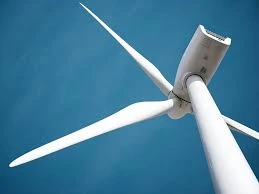
Wind turbine blades face relentless forces as they spin continuously in varying conditions, demanding materials that can perform under extreme pressure without failure. Carbon fiber has emerged as the material of choice for modern blade construction, fundamentally transforming how engineers approach renewable energy infrastructure. This composite material's combination of strength and minimal weight addresses the core engineering challenges that traditional materials like steel and wood simply cannot overcome.
The manufacturing flexibility of carbon fiber deserves particular attention. Engineers can customize the material's properties using different production techniques to match specific environmental demands and turbine specifications. This adaptability means that blades designed for coastal regions with intense winds can differ significantly from those built for gentler inland locations, all while maintaining optimal efficiency and safety standards.
Perhaps most critically, carbon fiber delivers exceptional fatigue resistance. Wind turbines experience constant cyclic stress as blades rotate day after day, year after year. Unlike materials that degrade under repeated loading, carbon fiber composites maintain their structural integrity through thousands of stress cycles, translating to extended blade lifespan and reduced maintenance requirements.
Weight reduction represents another transformative advantage. Blades constructed from carbon fiber weigh substantially less than comparable steel or wooden alternatives. This lighter construction directly lowers transportation costs, simplifies installation procedures, and enables blades to respond more dynamically to wind patterns, thereby increasing energy capture and overall turbine output.
Carbon fiber's high tensile strength and stiffness provide the foundational capability to build blades that withstand tremendous aerodynamic and mechanical forces. These properties ensure that turbine blades maintain their structural integrity while converting wind energy into rotational motion, creating the robust infrastructure needed for reliable power generation.
As renewable energy demand accelerates globally, carbon fiber will undoubtedly become increasingly central to wind energy technology. Its proven performance characteristics position it as the material driving the next generation of efficient, durable, and sustainable wind power systems.