Beyond the Shape: Straight vs. Cuttlefish Carbon Speargun Barrels Explained
Straight and cuttlefish carbon speargun barrels differ mainly in their shape, volume, and distribution of mass. A straight barrel offers a simple, typically lower-cost design, while a cuttlefish-shaped barrel provides a wider body that can be used to adjust buoyancy and balance.
Both designs can perform well. The better choice depends on the complete speargun setup, including shaft weight, band configuration, reel, and intended use.
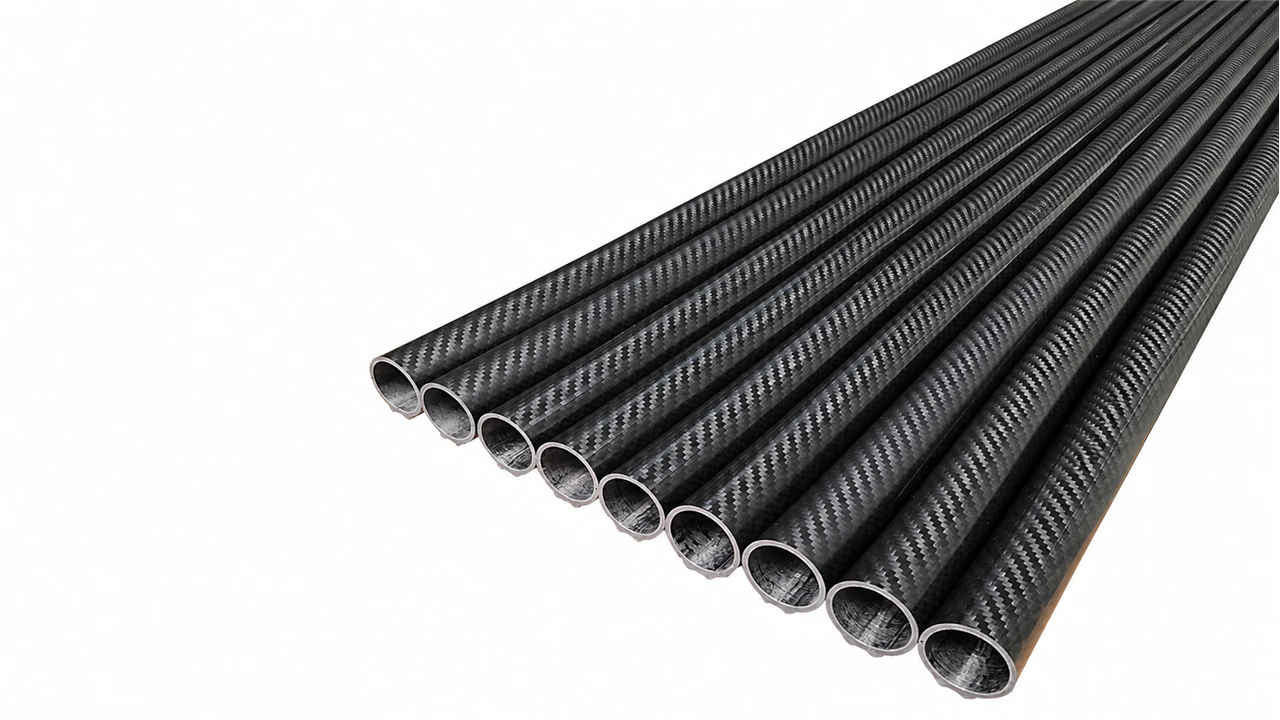
What Is a Straight Carbon Speargun Barrel?
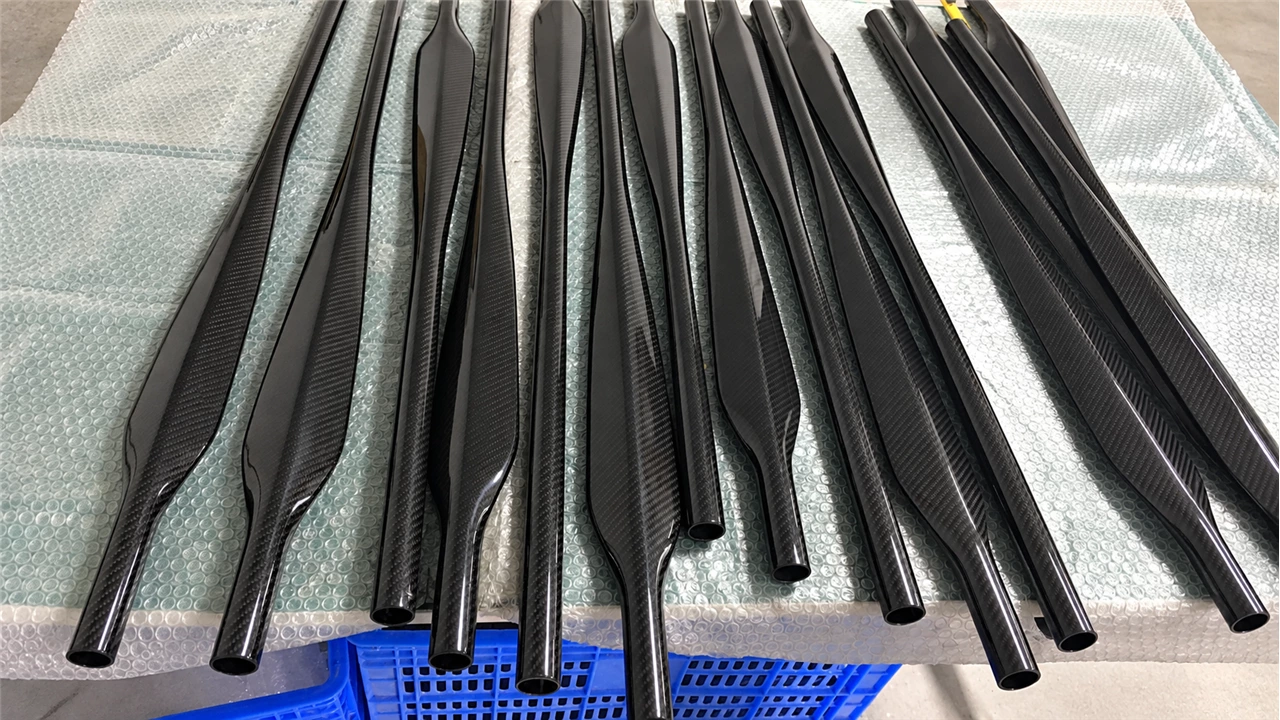
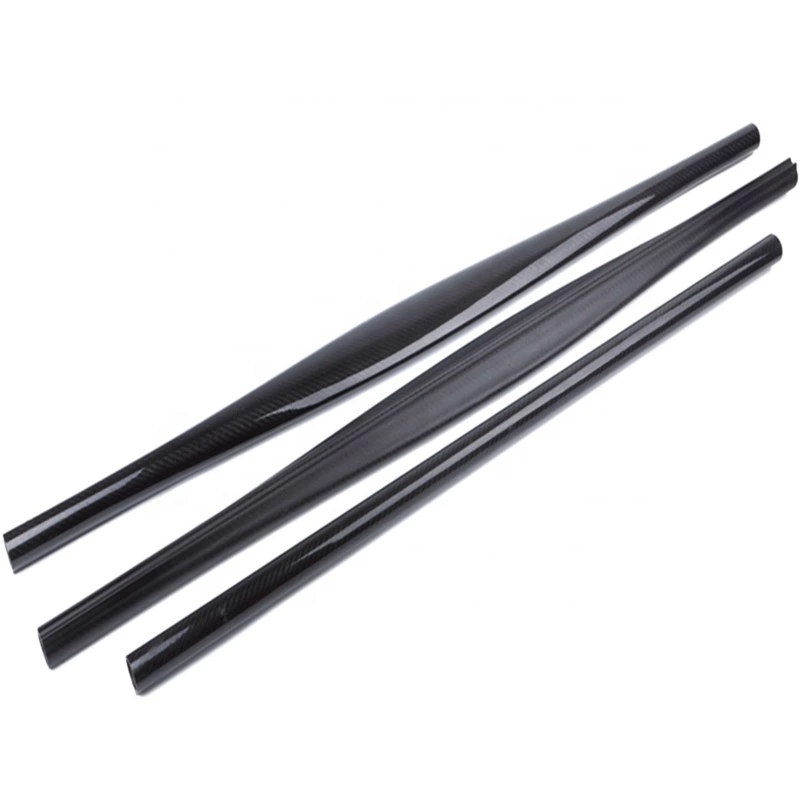
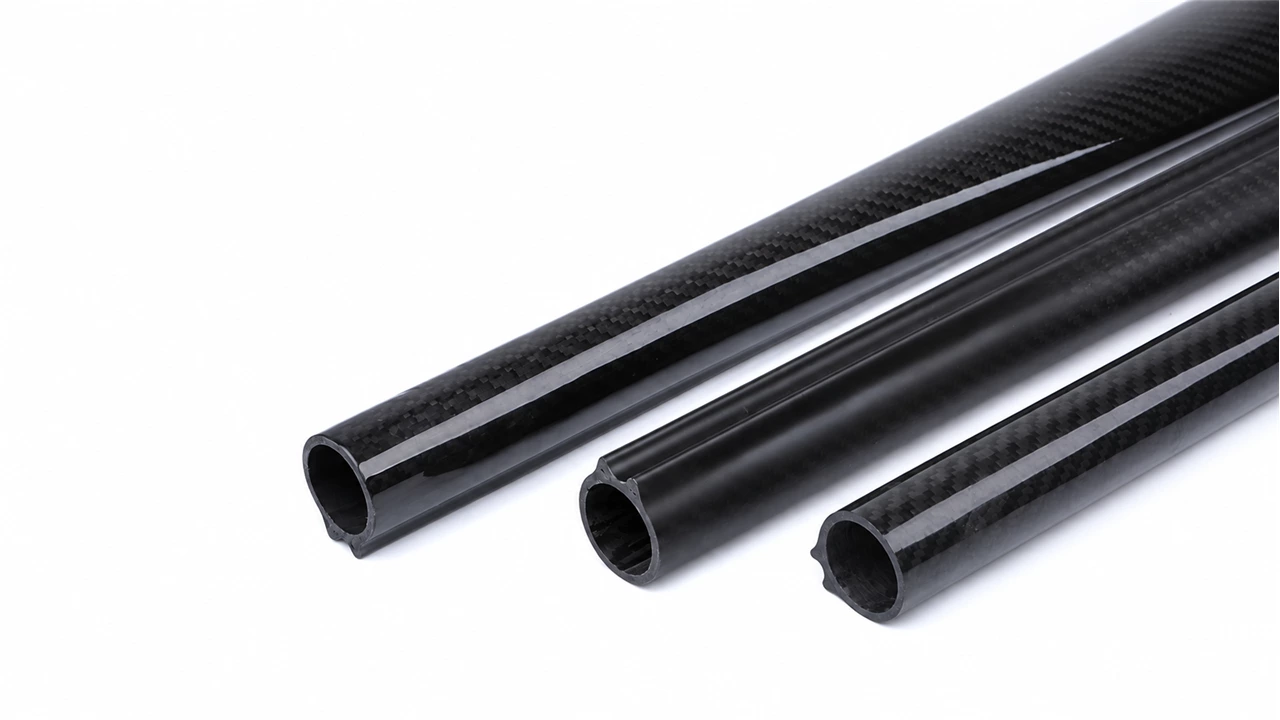
A straight carbon speargun barrel typically has a cylindrical, hollow carbon-fiber body, often with an integrated shaft rail along the top. Its relatively simple geometry provides a lightweight and rigid platform.
Straight barrels are commonly chosen for their practical design and affordability. A well-configured straight-barrel speargun can offer predictable handling and consistent performance across a range of spearfishing conditions.
Their slim, generally uniform profile makes them a versatile option for different setups. However, the final balance and handling depend on the barrel’s dimensions and construction, as well as the components fitted to it.
What Is a Cuttlefish Carbon Speargun Barrel?
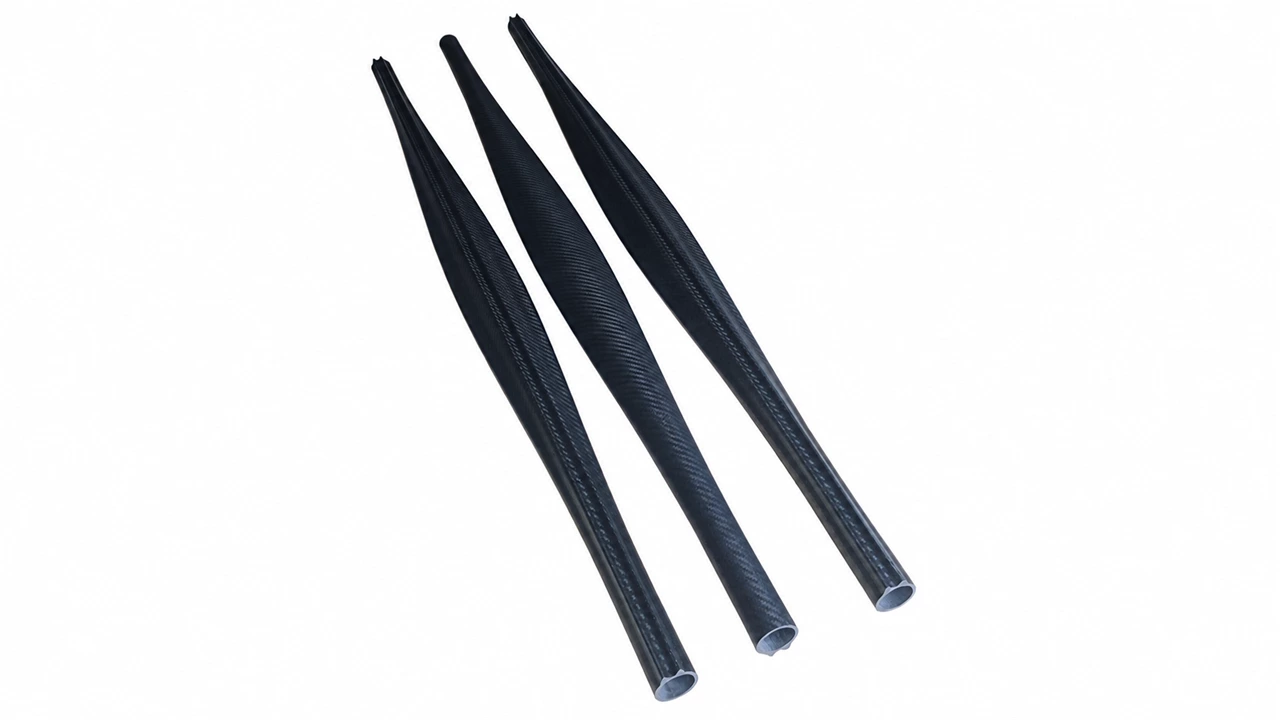
A cuttlefish carbon speargun barrel has a wider, shaped body inspired by the form of a cuttlebone. Its profile generally varies along its length rather than remaining cylindrical.
This wider shape can provide additional internal volume, giving designers more flexibility to manage buoyancy and distribute ballast. That flexibility can be useful when configuring a speargun with a heavier shaft or a reel.
Cuttlefish barrels typically involve more complex construction and cost more than straight barrels. Their shape alone does not guarantee lower recoil, greater accuracy, or easier movement underwater. Those results depend on the overall design and setup.
Straight vs. Cuttlefish Carbon Barrels: Key Differences
The most visible difference is the body profile. A straight carbon barrel generally maintains a slim, cylindrical shape, while a cuttlefish barrel has a wider body with a profile that changes along its length.
Straight barrels typically offer a more affordable route to a lightweight carbon speargun. Their simple construction appeals to spearfishers who value versatility, straightforward handling, and cost.
Cuttlefish barrels offer greater flexibility in how volume and ballast are distributed. The wider body can provide additional buoyancy to help offset heavier components, although the actual result depends on the barrel’s sealed volume and total weight.
Handling also differs between designs. A slim straight barrel can move easily through the water, while a cuttlefish barrel’s resistance to movement depends on its profile and the direction in which it is moved. Neither design is automatically easier to maneuver in every situation.
How Do Buoyancy and Ballast Affect Performance?
Buoyancy and ballast are related, but they serve different purposes. Buoyancy is the upward force created by displaced water. Ballast is added weight used to adjust how the speargun floats and balances.
A barrel with more sealed volume can provide more buoyancy, which may help offset the weight of a shaft, reel, or other components. Ballast can then be positioned to achieve the desired trim.
For either barrel type, the goal is a balanced speargun that is comfortable to hold and aim. Balance should be assessed with the intended shaft, reel, and other accessories installed.
Which Barrel Is Easier to Maneuver?
Underwater maneuverability depends on the complete speargun’s length, cross-sectional shape, balance, and resistance to movement through water.
A straight barrel’s slim profile can make it easy to handle. A cuttlefish barrel may also handle well when its shape and balance suit the intended use, but its wider body can resist movement differently in different directions.
For this reason, comparing fully assembled spearguns in the water is more useful than judging barrel shape alone.
Does a Cuttlefish Barrel Reduce Recoil or Improve Accuracy?
A cuttlefish design can allow for additional mass and different ballast placement, which may help manage recoil in a suitable setup. However, barrel shape by itself does not determine recoil.
Shaft mass, band power, total speargun mass, and alignment all influence shooting behavior. Accuracy also depends on barrel stiffness, shaft support, component compatibility, and the user’s technique.
Both straight and cuttlefish carbon barrels can deliver consistent shots when properly built and configured.
Which Carbon Barrel Should You Choose?
A straight carbon barrel is a practical choice if you want a typically lower-cost option with a slim, simple design. It works well when your planned shaft and accessories can be balanced with a conventional barrel.
A cuttlefish carbon barrel is worth considering if you need more flexibility to manage buoyancy and ballast, particularly when using a heavier shaft or adding a reel. Its benefits should be assessed against its higher cost and the requirements of your complete setup.
For longer diving sessions, prioritize a balanced speargun that feels comfortable to hold and aim. A well-balanced straight barrel may be more comfortable than a poorly configured cuttlefish barrel, and the reverse is equally possible.
Final Considerations
The main advantage of a straight carbon speargun barrel is its combination of simplicity, versatility, and cost. A cuttlefish carbon barrel offers a different approach to body volume and weight distribution, which can be useful for heavier configurations.
Choose based on the complete speargun’s balance, handling, and compatibility with your intended equipment. Whenever possible, test comparable setups in the water before making a decision.