Why Carbon Fiber Driveshafts Outperform Steel and Aluminum
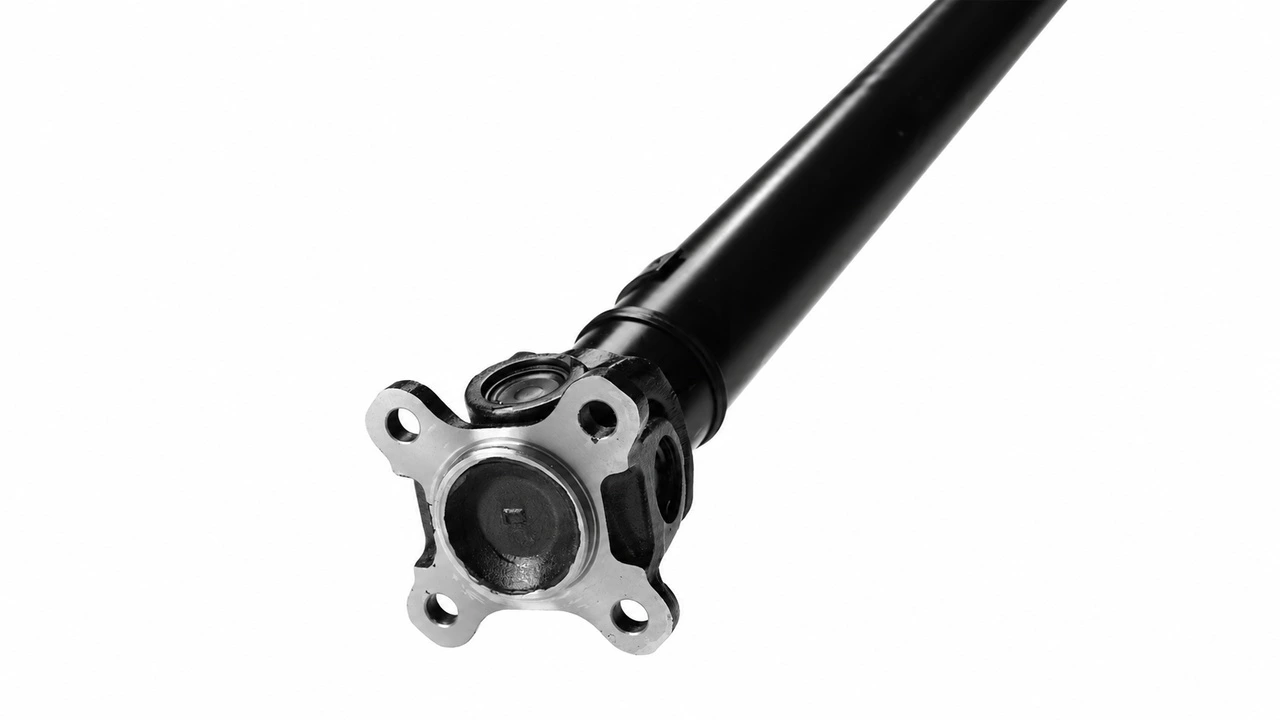
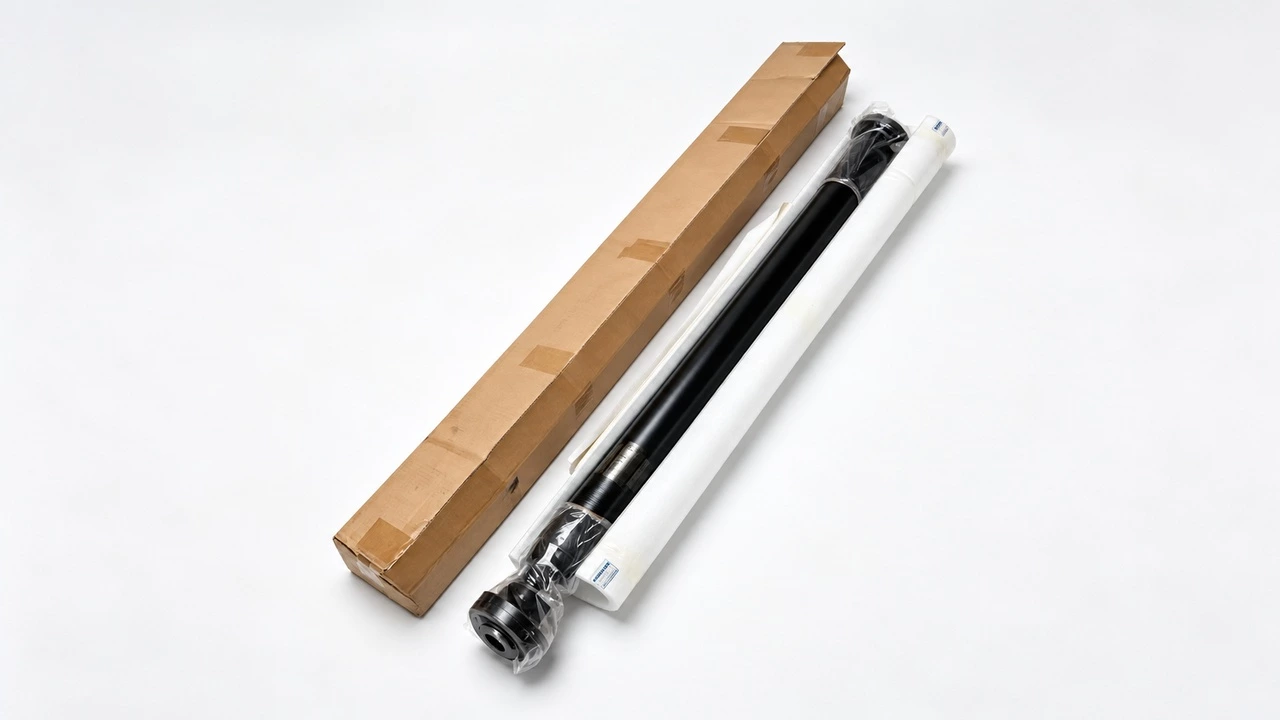
High-performance driving demands components that deliver both strength and minimal weight. Carbon fiber driveshafts have revolutionized the automotive and racing world by solving a fundamental challenge: how to maintain durability while eliminating unnecessary mass from the drivetrain. This shift toward carbon fiber represents a significant evolution in how performance enthusiasts and professional racers optimize their vehicles.
Key Performance Benefits
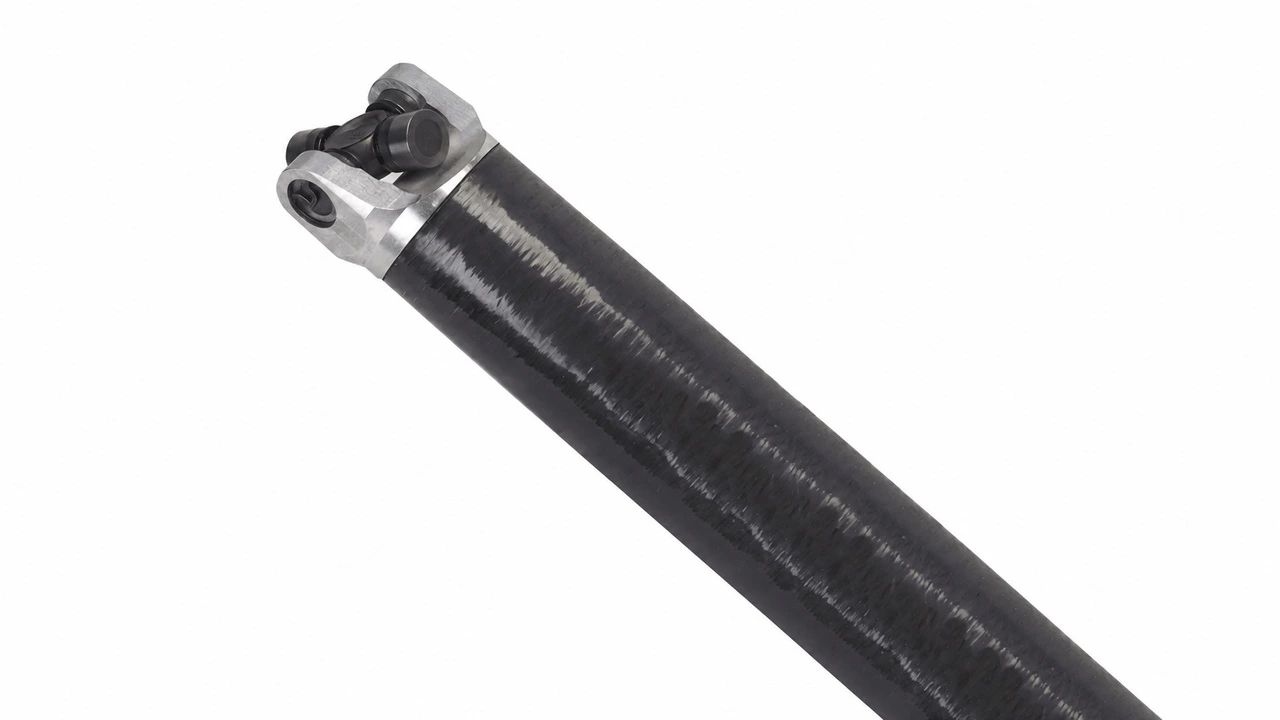
Reduced Rotational Mass stands as the primary advantage. When you lighten rotating components, the entire drivetrain requires less energy to spin. This directly translates to quicker engine response and more immediate power delivery when you press the accelerator. Steel alternatives simply cannot match this weight advantage.
Superior Vibration Control is another critical factor often overlooked. Carbon fiber naturally dampens oscillations better than conventional materials, creating a smoother driveline experience. This inherent vibration absorption reduces stress on connected components and improves overall ride quality, especially during aggressive acceleration or high-RPM operation.
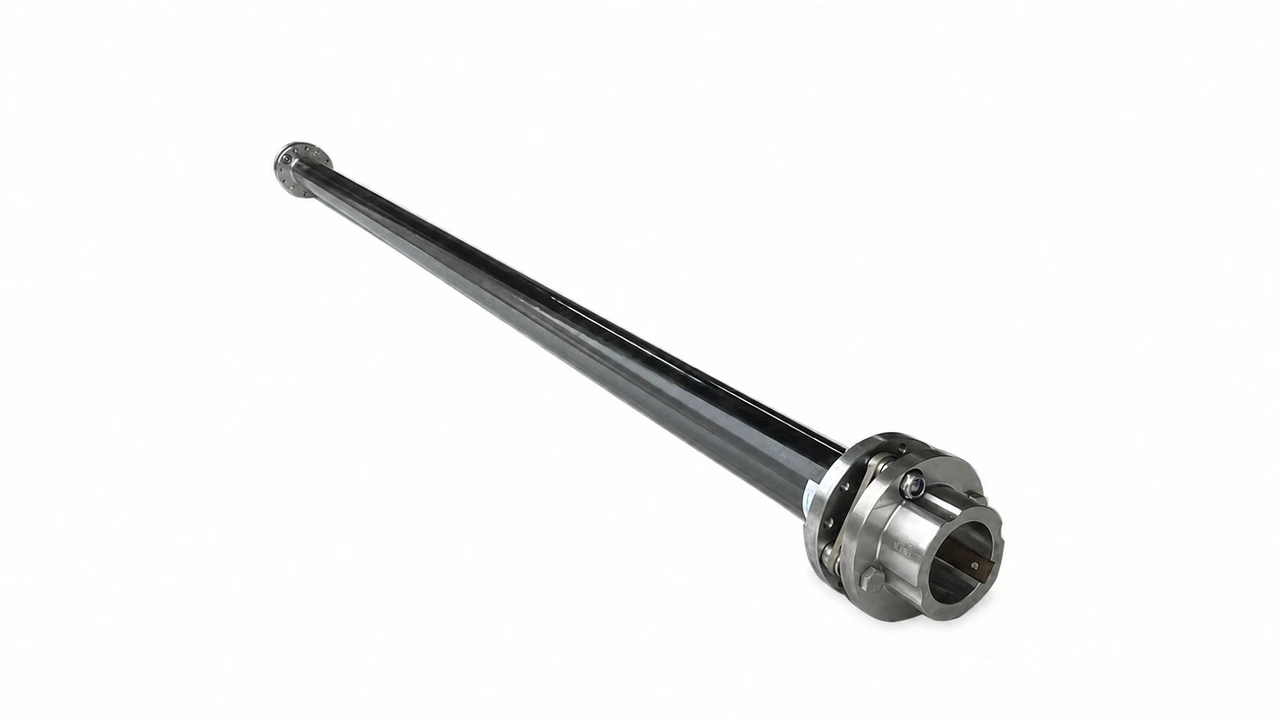
Exceptional Strength-to-Weight Ratio enables carbon fiber driveshafts to handle extreme horsepower levels without adding bulk. Whether your vehicle produces modest power or extreme output, carbon fiber maintains structural integrity while staying lightweight—something aluminum and steel struggle to achieve simultaneously.
High-RPM Stability makes carbon fiber the material of choice for racing environments. At elevated engine speeds and vehicle velocities, carbon fiber driveshafts maintain smooth, consistent operation without the harmonic issues that can plague heavier alternatives.
Where These Advantages Matter Most
Carbon fiber driveshafts prove invaluable across numerous automotive disciplines. Drag racers benefit from instantaneous throttle response and reduced drivetrain lag. Street performance enthusiasts notice improved acceleration feel and refined operation. Track-focused vehicles and pro touring builds rely on the consistent, high-speed stability that only carbon fiber reliably provides. High-horsepower street cars, roll racing competitors, and any vehicle pushing serious power all gain measurable advantages from the material's unique properties.
Material Comparison Matters. While steel offers affordability and aluminum provides a middle ground, carbon fiber remains superior for applications where performance justifies the investment. The choice ultimately depends on your specific vehicle application, power output, and driving environment—but for those serious about maximizing performance potential, carbon fiber represents the modern standard.