How to Choose the Right Carbon Fiber Windsurf Mast for Your Rig
Introduction: The Backbone of Your Rig
Discover What Your Rig Can Really Do. Have you ever experienced that unsettling lag on the water?
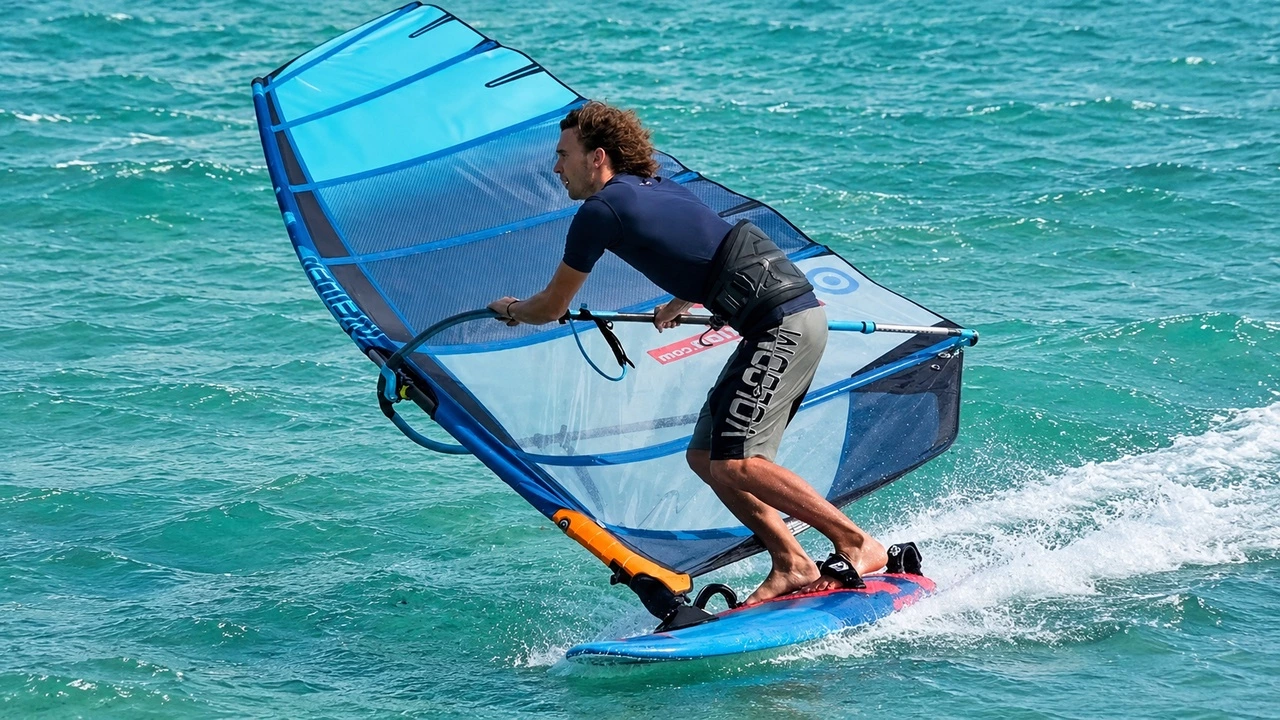
When your sail works against you instead of moving with you? It's not a skill issue—it's likely your mast. A windsurf mast is far more than a pole supporting your sail; it's the critical engine that can completely reshape how you perform.
Pick the right mast, and everything aligns: rapid acceleration onto the plane, smooth power management in strong wind, and that unmistakable sense of connection that defines your best rides.
Pick wrong? Even a premium new sail will feel sluggish, unstable, or frustratingly inconsistent.
Bestwill has invested years studying mast technology and behavior. We explore how design choices and materials shape everything from response in rough conditions to early release and consistent drive.
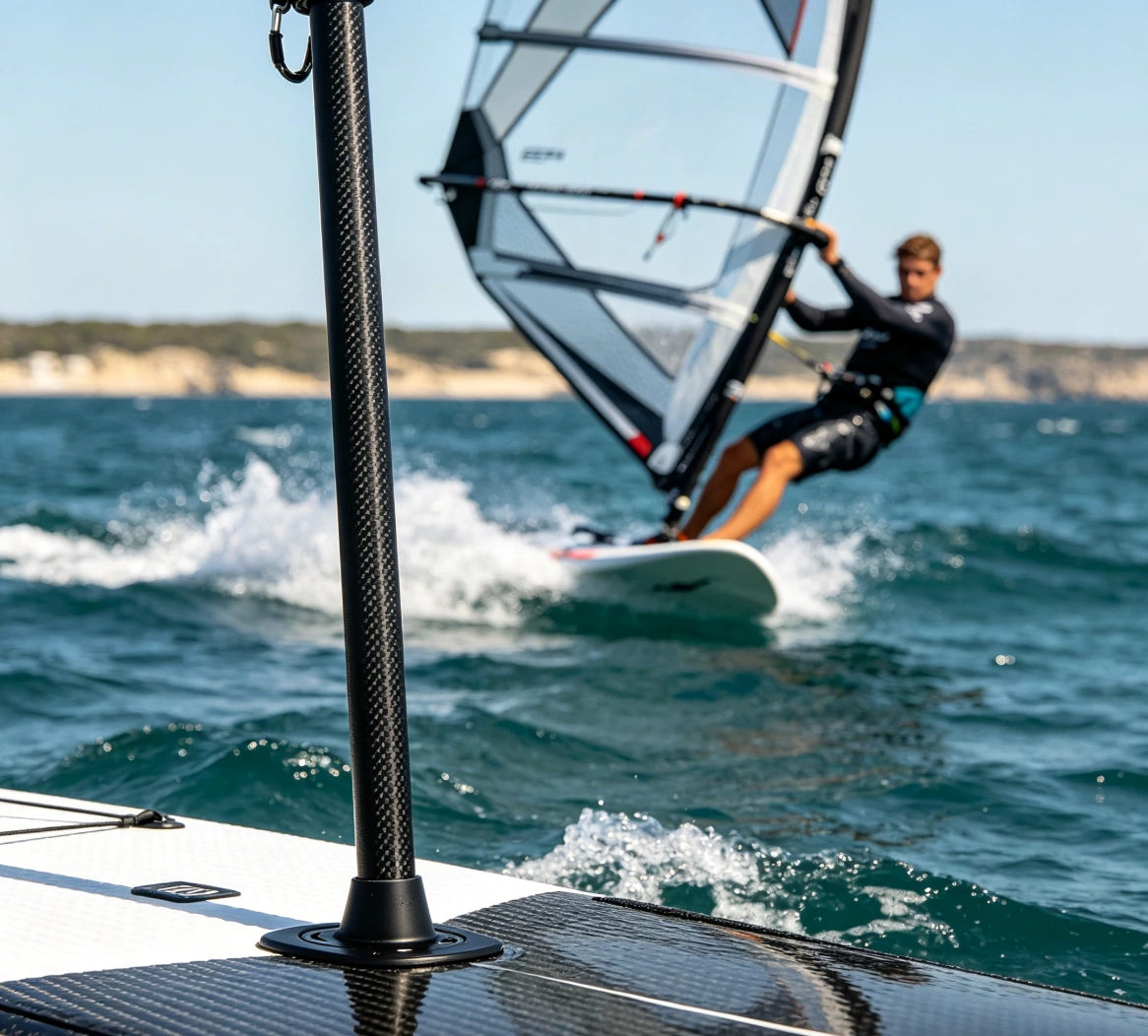
What is a Windsurfing Mast and How it Works
A windsurfing mast is a tapered, cylindrical pole typically ranging from 340cm to 550cm in length that forms the backbone of your rig. It's far more than a simple support pole—it's a precision-engineered component designed to flex, bend, and respond dynamically to wind and water conditions in ways that directly influence how your sail performs and how you feel in control on the water.
Masts vary significantly in construction and characteristics, with different designs suited to specific wind ranges, skill levels, and sailing styles. Understanding these variations helps you choose the right mast for your conditions and progression.
The mast's core responsibilities are:
- Structural Support — Holds the sail securely while maintaining its aerodynamic shape under varying wind pressures
- Shape Definition — Creates the three-dimensional curve of the sail through its controlled flex pattern, directly affecting power and handling
- Dynamic Response — Absorbs wind gusts and wave impacts, redistributing forces so you stay connected and in control
- Power Transmission — Acts as the mechanical bridge transferring wind energy from the sail into forward motion through the board
What makes windsurfing masts unique is their intentional flexibility. Rather than resisting bending, a quality mast is engineered to flex in precise, predictable patterns. This controlled bend allows the sail to maintain optimal shape across a range of wind conditions, helps you absorb chop and turbulence, and gives you the feedback needed to trim and adjust your rig intuitively.
The mast works seamlessly with your sail's luff curve—the leading edge that attaches to the mast. Together, they form an integrated system where the mast's flex characteristics and the sail's shape work in concert, responding to wind forces and your steering and weight inputs to deliver the control and responsiveness that defines modern windsurfing.
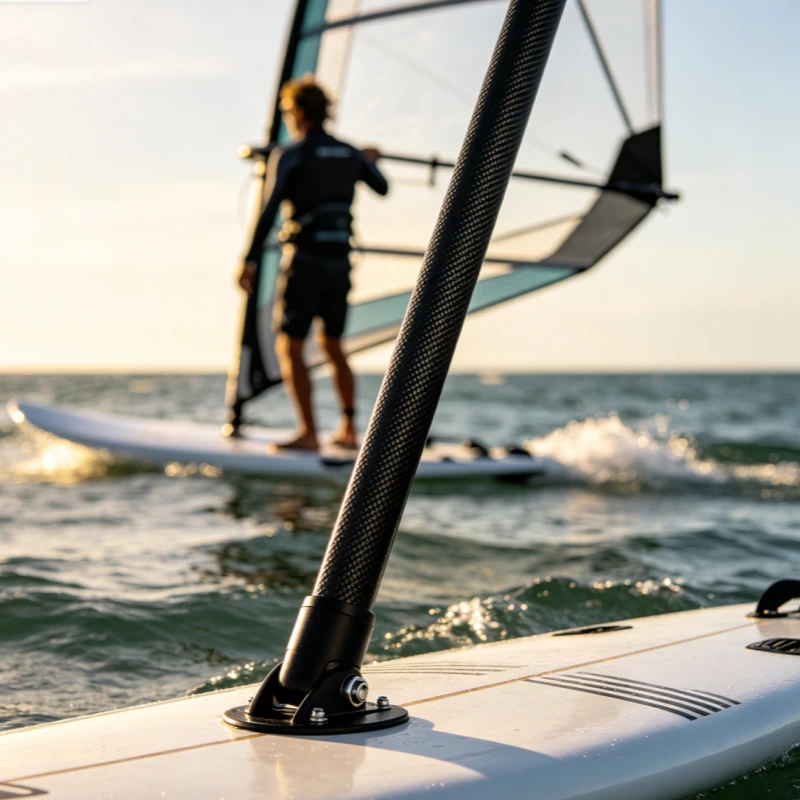
The Advantages of Carbon Fiber Windsurf Masts in Sailing: Performance, Durability, and Customization
Introduction: The Evolution of Sailing Windsurf Masts
Sailing has always required a balance between performance, durability, and innovation. For generations, sailors relied on wooden and aluminum masts, which served their purpose reliably. However, as demand for lighter, more efficient materials has grown, carbon fiber masts have emerged as a game-changing solution. Today, they are standard equipment across a wide spectrum of vessels—from compact dinghies to substantial offshore yachts.
Why Choose Carbon Fiber Windsurf Masts?
Enhanced Performance
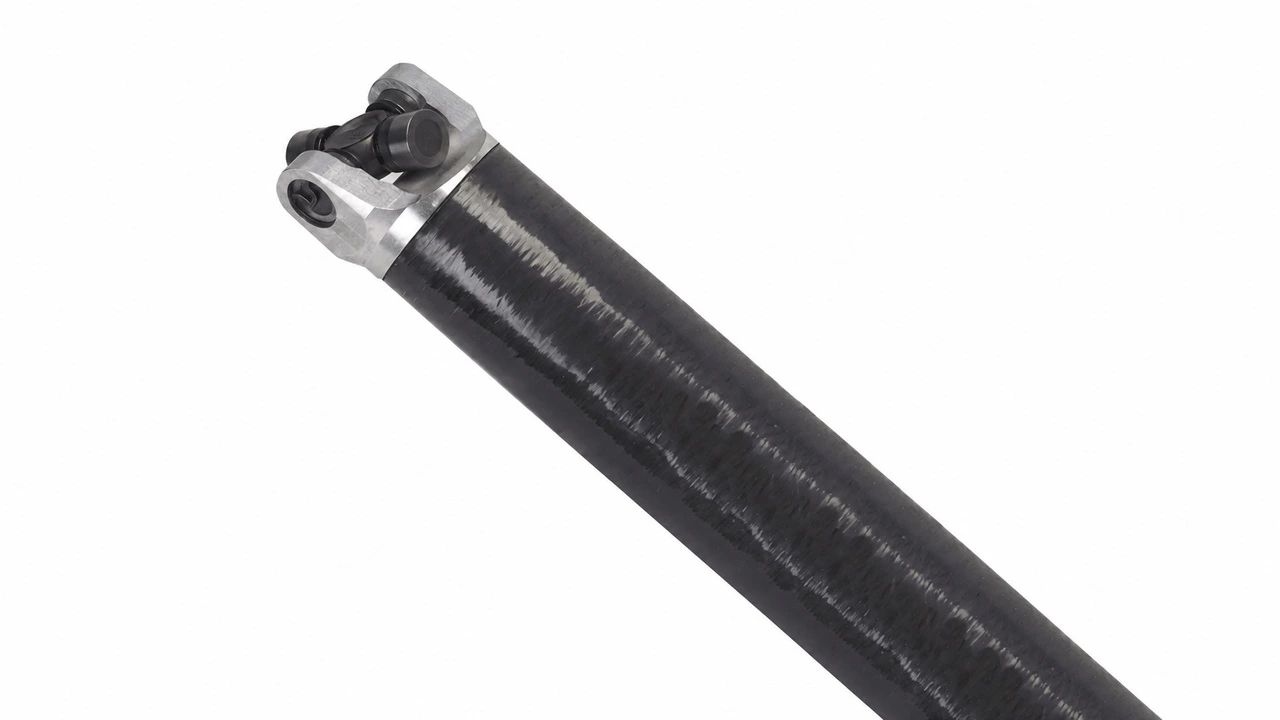
Carbon fiber offers an exceptional strength-to-weight ratio that creates a stiffer, more responsive mast. This translates directly into improved sail shape, superior boat handling, faster acceleration, and greater stability. For racing competitors and offshore sailors alike, these advantages make carbon fiber the material of choice.
Lightweight Construction
The most compelling benefit of carbon fiber masts is their minimal weight. At up to 40% lighter than aluminum alternatives, carbon fiber significantly reduces overall boat weight, which directly enhances speed and maneuverability. This advantage proves invaluable for racing vessels and high-performance yachts where even small weight savings matter.
Durability and Longevity
Carbon fiber resists corrosion and fatigue far better than aluminum, which can degrade in challenging marine conditions. This superior durability means carbon fiber masts maintain their structural strength through years of exposure to extreme weather and demanding offshore conditions.
Applications of Carbon Fiber Windsurf Masts
Offshore Vessels: Long-distance and offshore sailing demands reliability and strength. Carbon fiber masts deliver both, ensuring safety and dependable performance in rough seas.
Dinghies and Catamarans: Custom carbon fiber masts enhance agility and pace in smaller sailboats, making them ideal for competitive racing.
Sailing Yachts: Premium cruising and racing yachts gain tremendous benefits from carbon fiber's lightweight properties and aerodynamic advantages, delivering superior performance and a more enjoyable experience.
Carbon Fiber Windsurf Masts vs. Aluminum Windsurf Masts
Carbon Fiber Windsurf Masts: Lightweight; high stiffness and speed; corrosion-resistant; low maintenance.
Aluminum Windsurf Masts: Heavier; moderate performance; susceptible to corrosion; requires ongoing care.
Although carbon fiber windsurf masts typically command a higher initial investment, their long-term advantages—superior performance, extended durability, and minimal maintenance—often deliver better overall value.
Maintenance Tips for Carbon Fiber Windsurf Masts
Regular Inspection: Monitor your mast frequently for any signs of wear, cracks, or damage, especially following intensive use or severe weather.
Clean Properly: Wash the mast with mild soap and water, avoiding aggressive chemicals that could damage the resin coating.
Protect from UV Exposure: While carbon fiber resists UV damage naturally, applying a protective finish further extends its service life.
Eco-Friendly Benefits of Carbon Fiber Windsurf Masts
With the marine industry increasingly focused on sustainability, carbon fiber windsurf masts present a responsible choice. Their extended lifespan means fewer replacements and less waste over time. As carbon fiber recycling technology advances, these masts are becoming an even more sustainable option for environmentally conscious sailors.
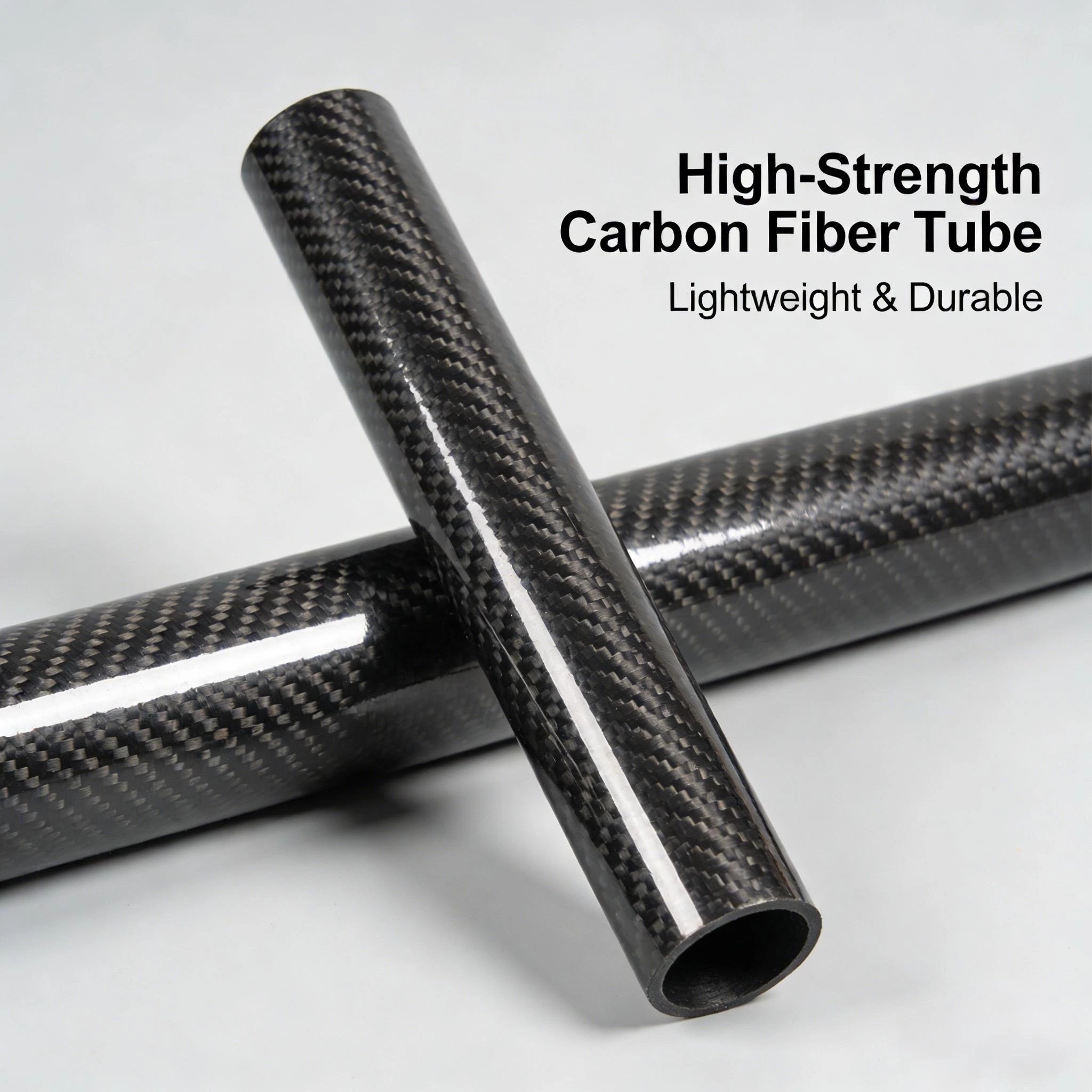
Selecting the Perfect Carbon Fiber Windsurf Mast for Your Rig
Finding the ideal carbon fiber windsurf mast goes beyond grabbing any stick off the rack. Your mast must align with your sail's luff length, bend characteristics, diameter profile, and carbon composition to deliver the performance and durability you expect.
1. Match the Mast Length
Begin by consulting your sail's specification sheet or the sailmaker's rigging documentation. The luff measurement is non-negotiable—it dictates how your sail sits on the mast and directly affects your sail's profile integrity. If you fall short by a few centimeters, a base extension can bridge the gap, but never exceed 40 cm in total extension length, as this compromises mast flex characteristics and can introduce instability.
2. Choose the Right Bend Curve
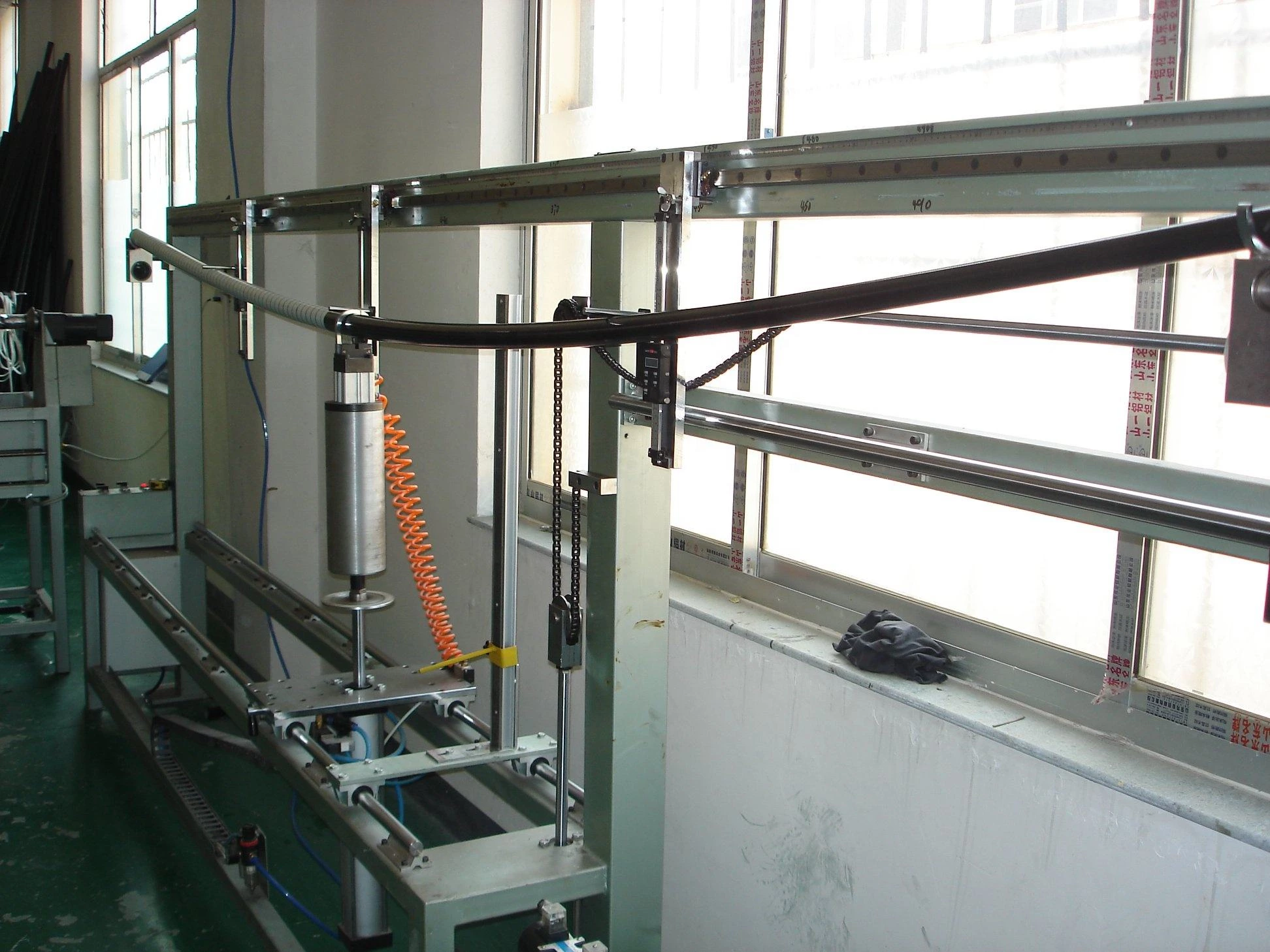
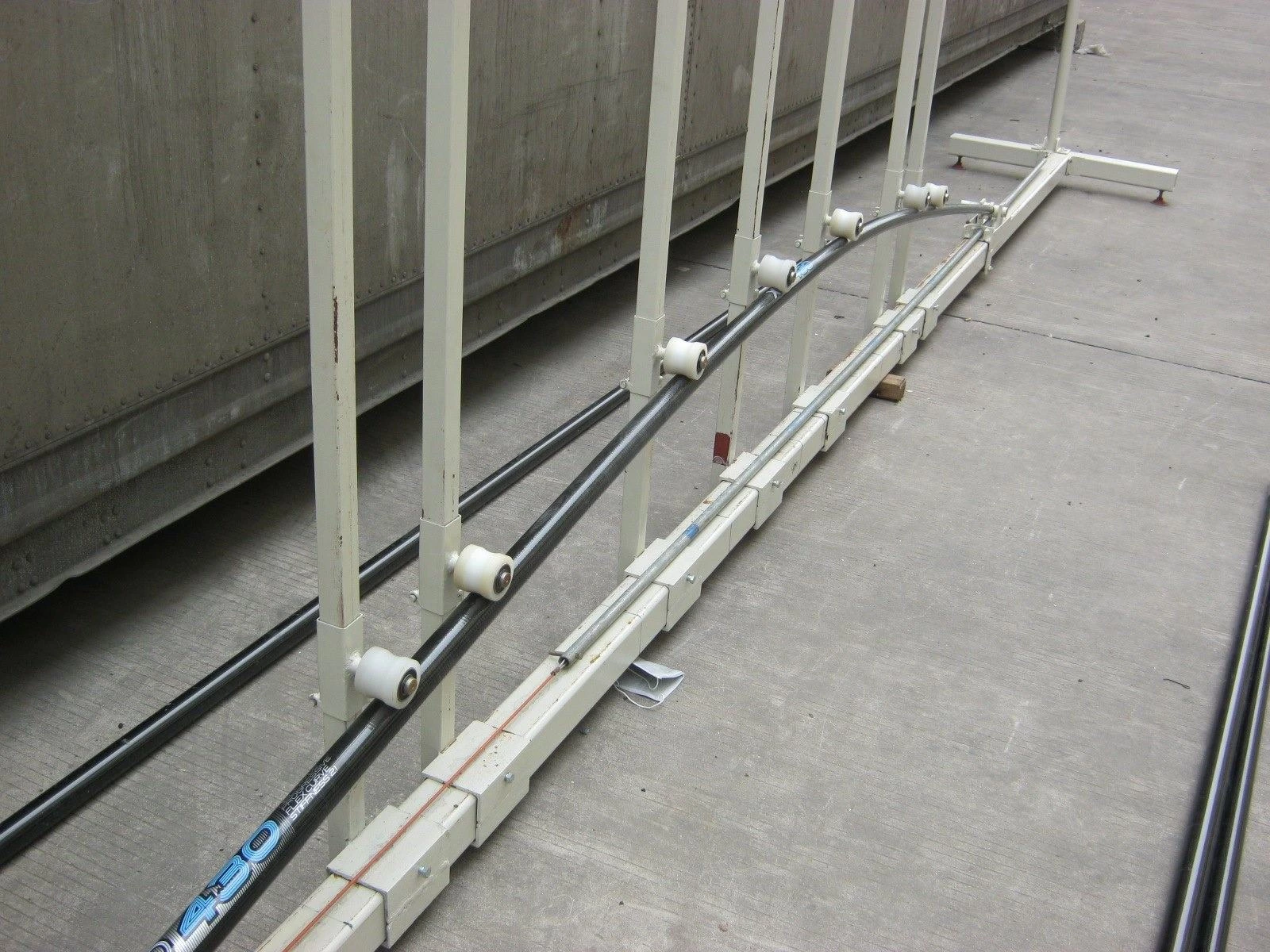
Bend curve compatibility is where many sailors stumble. A mast's bend curve determines how it flexes under load and shapes your sail's draft.
Constant Curve (or Constant Flex) bends uniformly from base to tip and offers the broadest compatibility across different sail brands—a safe choice for mixed quivers.
Flex Top softens in the upper third, favoring specific sail designs that expect this behavior.
Hard Top stiffens the upper section for sails engineered with that response in mind.
Mismatched bend curves twist your sail's profile out of shape, destroy leech tension, and tank your performance. Cross-reference compatibility guides, like those from Unifiber, before committing to a pairing.
3. Diameter Selection: SDM Versus RDM
SDM (Standard Diameter Mast) features a 48mm base with thinner walls. This diameter delivers a rigid, responsive feel ideal for larger sails (7.0m² and above), slalom conditions, and racing formats where directness matters.
RDM (Reduced Diameter Mast) runs a skinnier 32–36mm base with thicker tube walls. The design yields greater flex, lighter swing weight, and superior durability in crashes—perfect for wave, freestyle, and smaller freeride sails up to 6.5m².
4. Determine Carbon Percentage
30–50% Carbon blends carbon with fiberglass to create heavier, tougher masts that shrug off abuse. This range suits beginners, school programs, and training setups where durability trumps weight savings.
60–80% Carbon (such as 75% HD) strikes the practical center—lightweight enough to reduce arm fatigue, responsive to wind shifts, and priced for intermediate and recreational sailors who want quality without premium costs.
100% Carbon (Elite C100 grade) strips everything to the essentials: ultra-light weight and instant gust response. Advanced and high-performance riders benefit most, though these masts demand respectful handling—point-load impacts can crack them where heavier constructions would flex and forgive.
Conclusion
Carbon fiber windsurf masts represent the next generation of sailing technology, combining unmatched performance with lasting durability and design flexibility. Whether you're a serious competitor, an ocean explorer, or a casual sailor, switching to a carbon fiber mast elevates your experience on the water—delivering enhanced speed, greater stability, and confidence in any conditions.
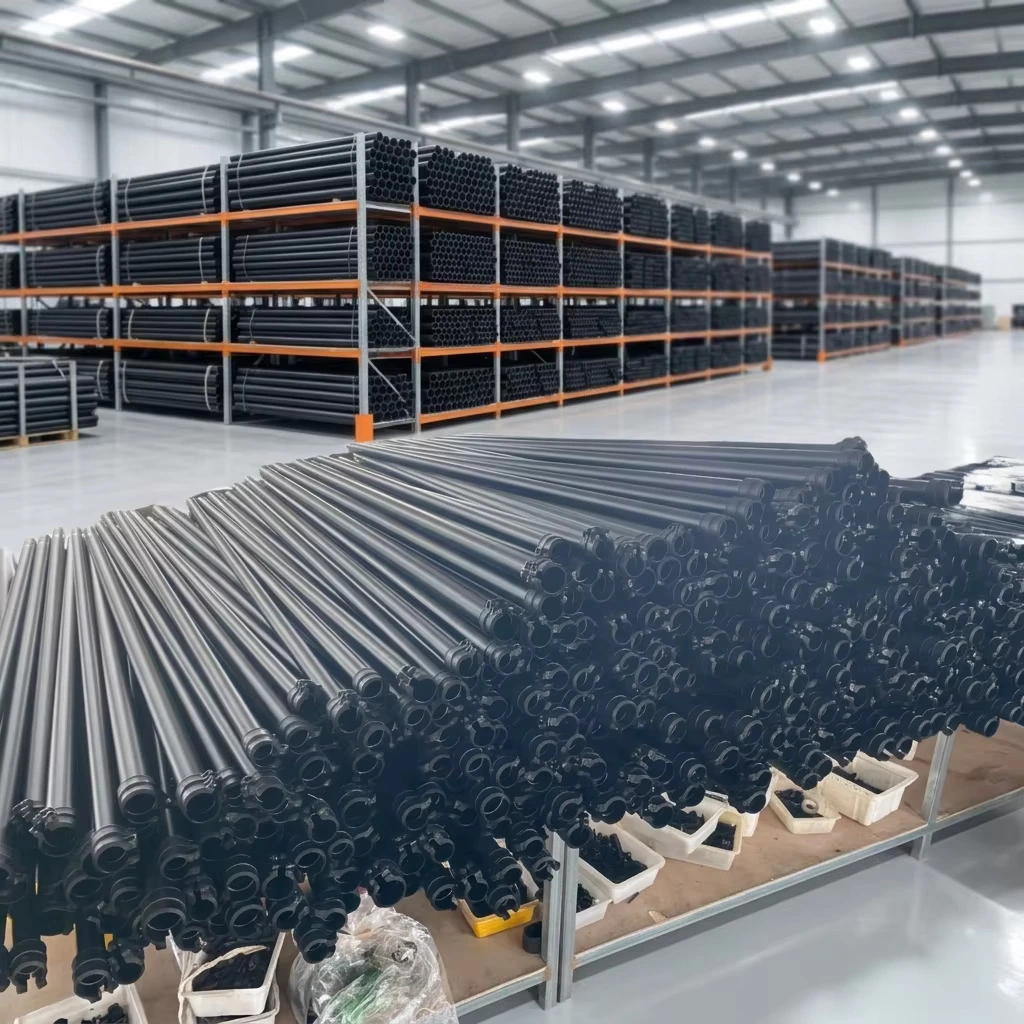
Carbon Fiber Windsurfing Masts Manufacturer
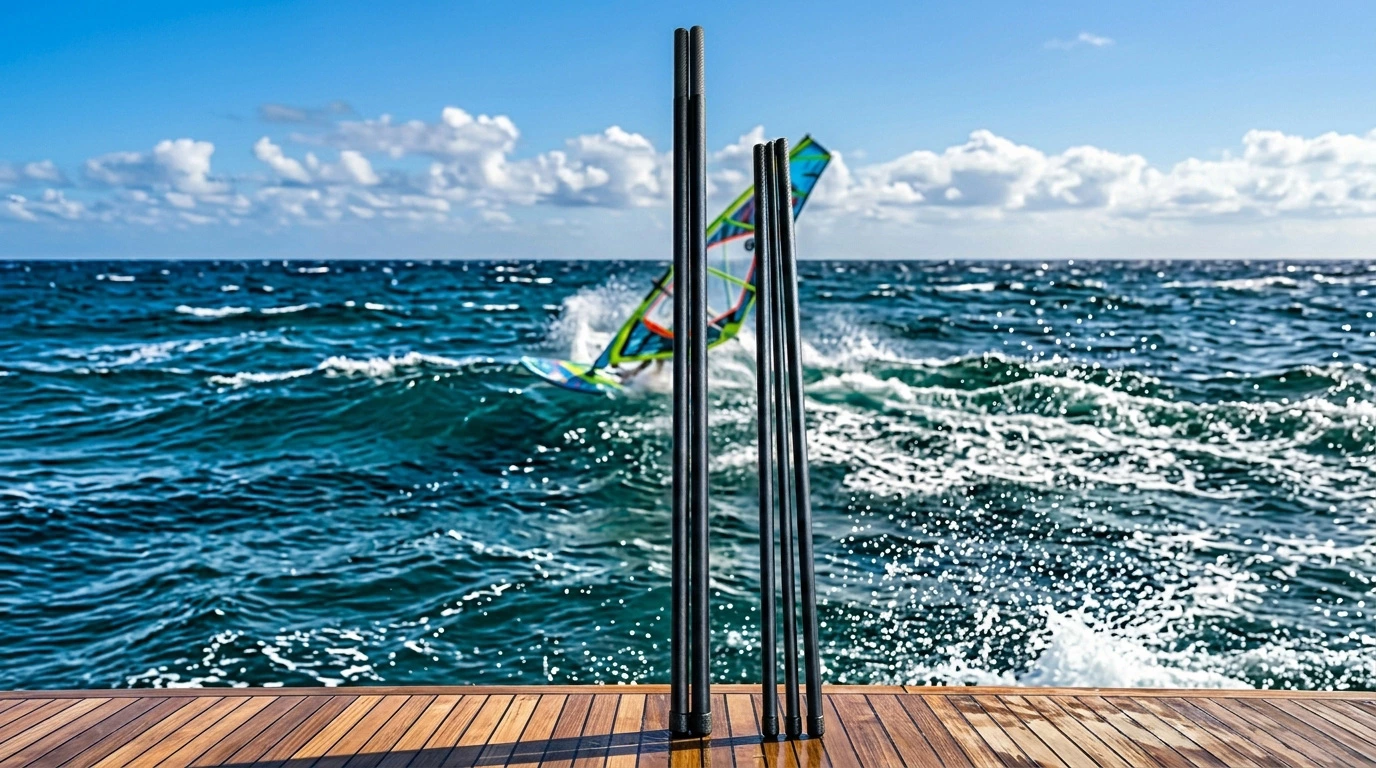
At Bestwill, we engineer high-performance carbon fiber windsurfing masts designed to handle demanding water conditions while delivering responsive, reliable performance. The mast is the structural foundation of your rig—it directly influences how your board responds, accelerates, and turns.
Carbon fiber construction is the standard for serious windsurfers because it combines three critical qualities: exceptional stiffness, minimal weight, and superior responsiveness. This balance translates to faster acceleration, more direct control, and a more engaging ride on the water. Whether you're pushing through choppy conditions or refining technique in light wind, a quality carbon mast makes the difference.
We offer carbon fiber windsurfing masts in multiple lengths and flex profiles to match your skill level, board setup, and sailing conditions. Each mast is crafted to provide consistent performance and durability across seasons of use.
Interested in learning which mast configuration suits your needs? Reach out to our team to discuss your requirements and find the right fit for your setup.