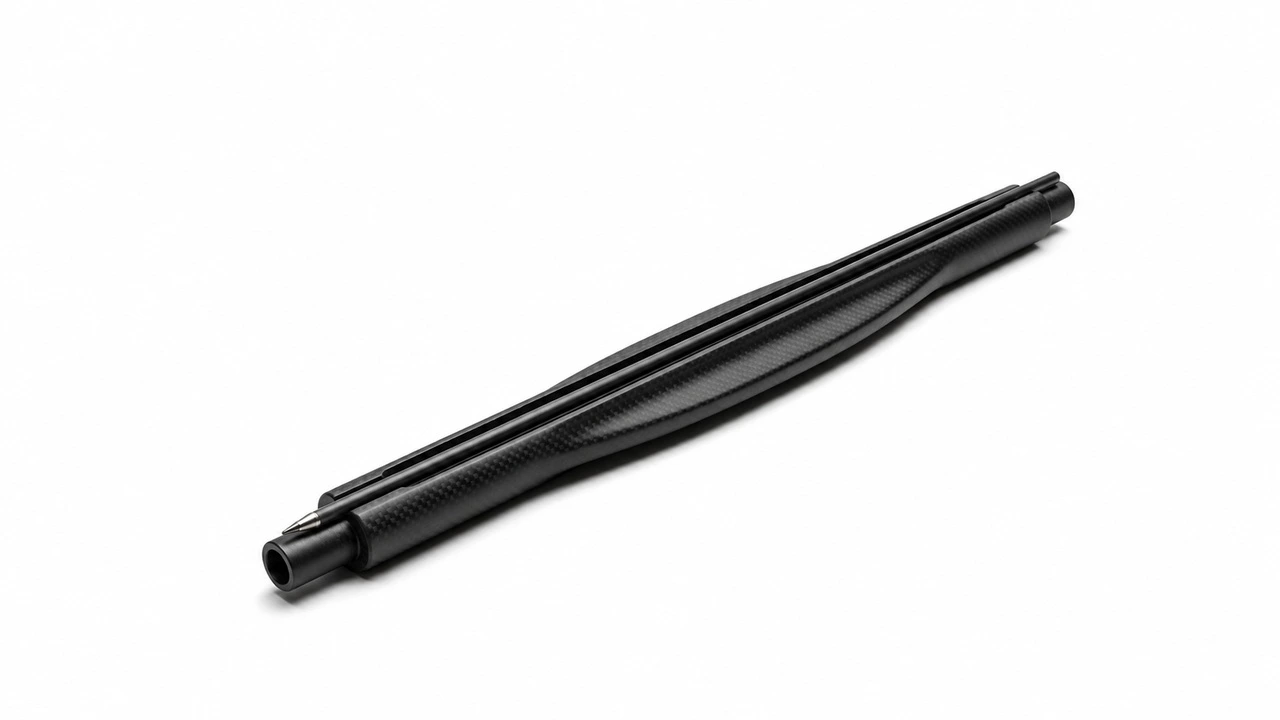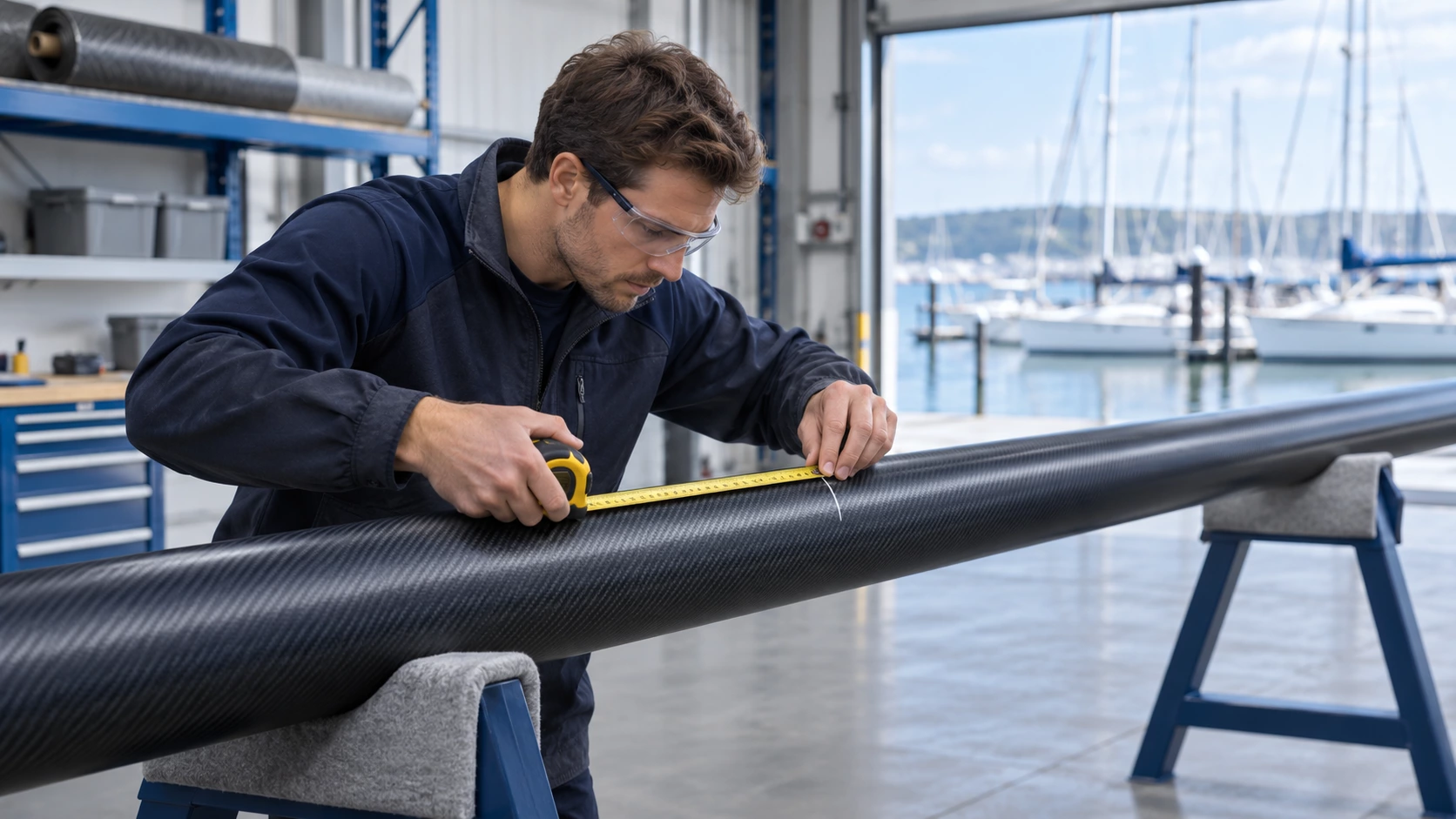
Carbon Fiber Sailboat Mast Prototype Approval Guide
Before approving a carbon fiber sailboat mast prototype, verify its dimensions, finished weight, specified bend response, and fit with the actual track and hardware. Record the results against the approved drawing revision. Boatbuilders and spar brands can then use the accepted sample and its inspection records as the reference for production orders.
Start with the sample your purchase order actually covers
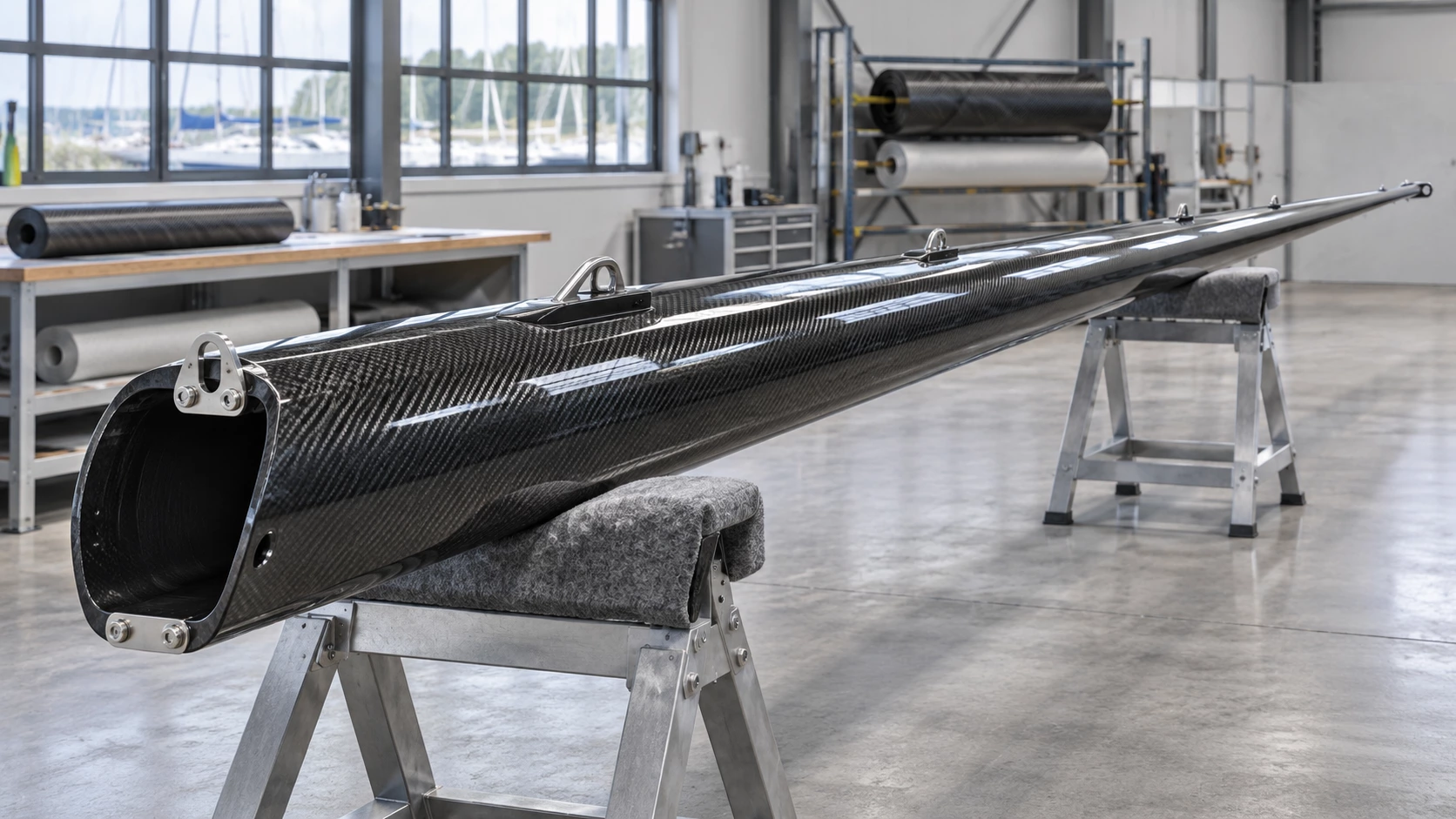
A bare mast section, a machined part, and an assembled spar each need a different approval checklist. If your order covers a machined section, the supplier can report the part dimensions and opening locations while your assembly team verifies the track and fittings. Assign each check to the party that can perform it, and identify who signs off on the result.
| Check | What to record |
|---|---|
| Geometry | Drawing revision, measurement datum, section dimensions and locations of critical openings |
| Weight | Measured weight and a list of any fitted parts included in that measurement |
| Bend response | Results for the specified direction and test setup, where required by the rig designer |
| Hardware fit | Track and car references, fitting part numbers, and the outcome of the fit check |
| Surface finish | Approved color or gloss reference and how visible defects will be assessed |
Check the interfaces with the parts that will go on the boat
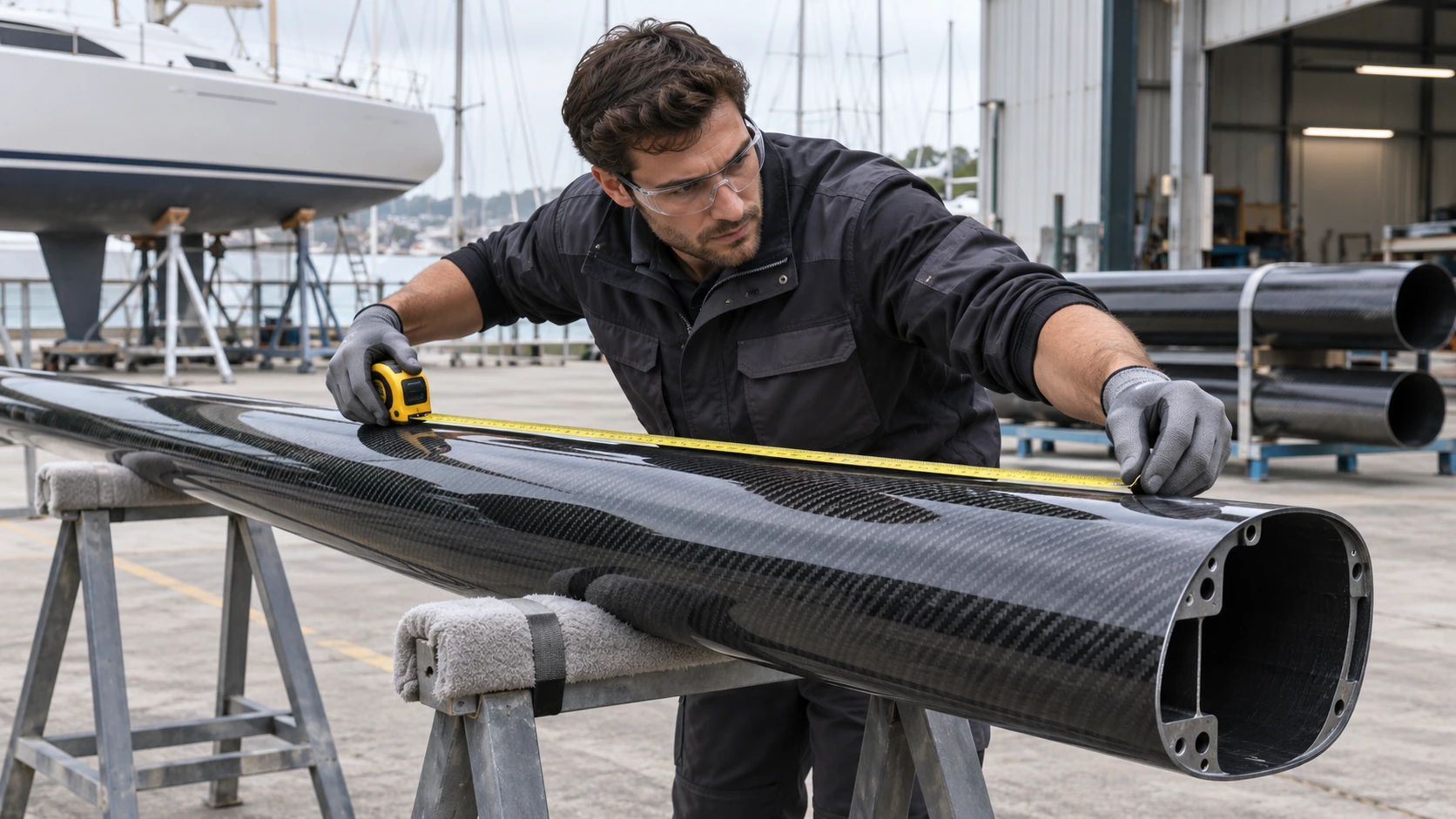
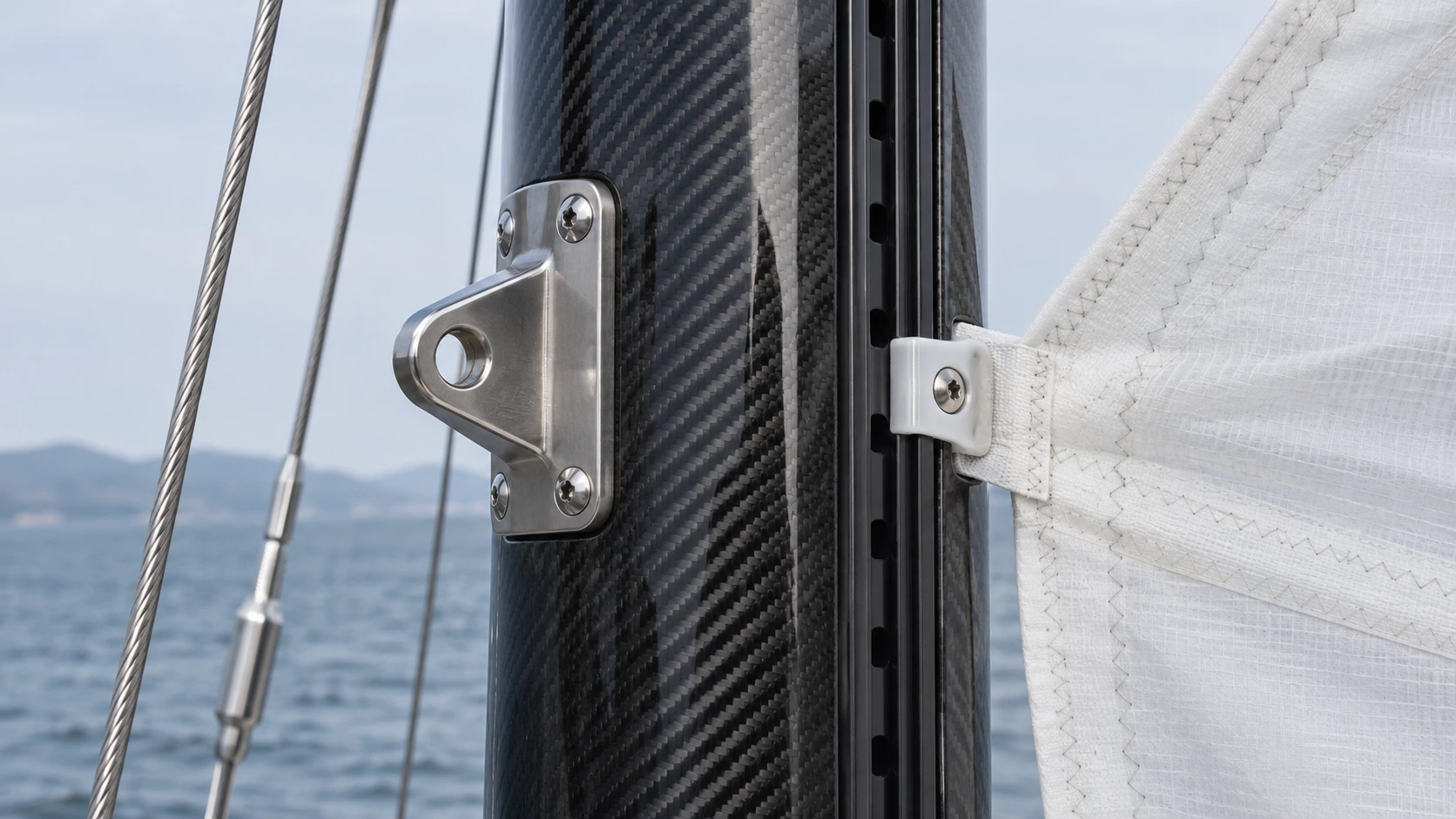
Use the intended sail track, car and mating hardware for the fit review. Confirm where the track begins, how the car enters it, and whether the mounting features line up with the approved assembly drawing. Use the same datum when recording measurements on the carbon section and the assembled part. That gives the production team a reference when a track sits proud of the mast surface or a fitting shifts the location of a cutout.
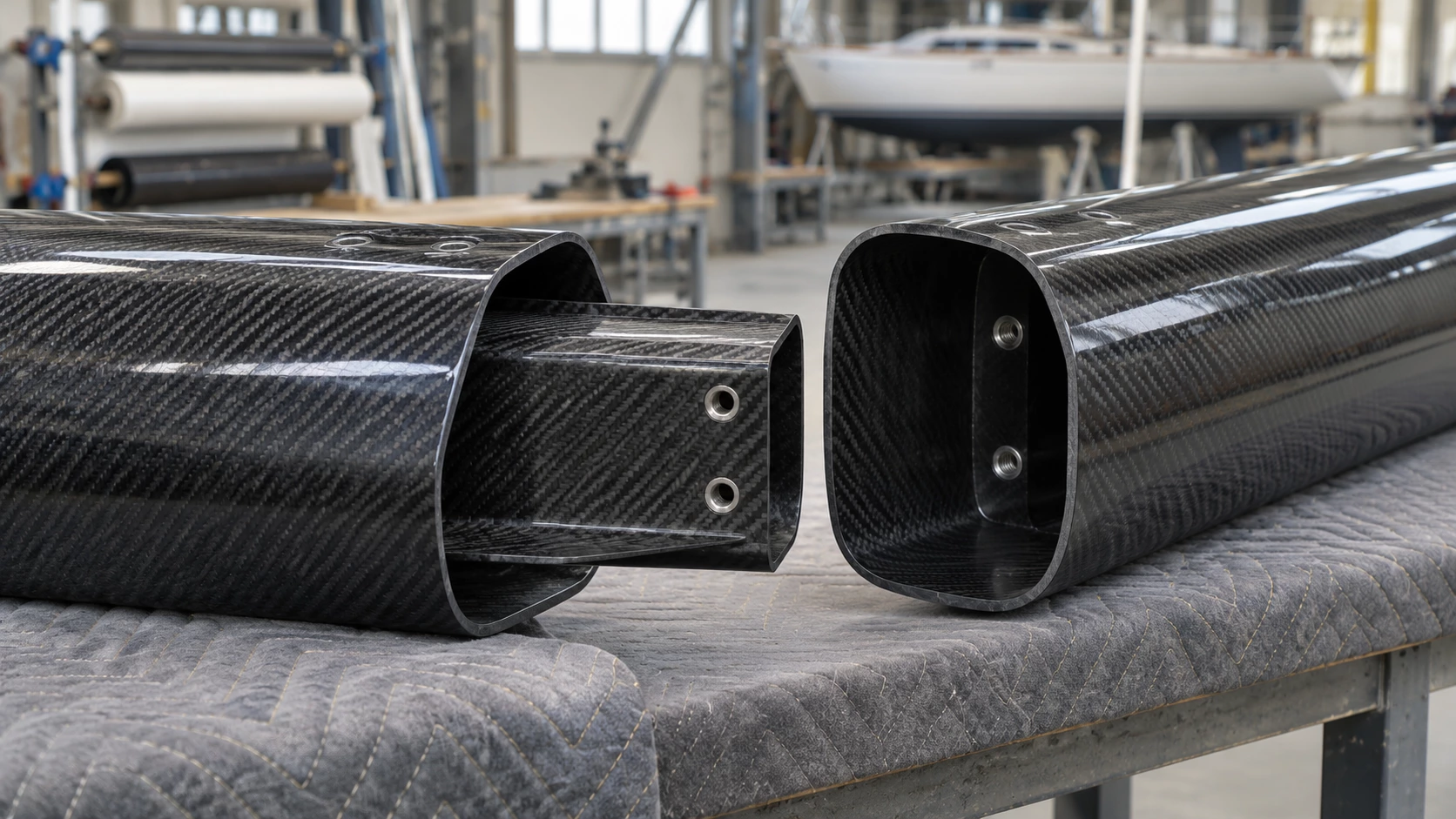
For a multi-piece mast, review the joint as an assembled interface. Follow the rig designer’s criteria for alignment, engagement and fit. Ask the supplier to identify the joint drawing revision on the inspection record so that the accepted arrangement can be traced to the production order.
Turn prototype approval into a repeatable order
Release the first batch with the same drawing revision, critical dimensions and inspection criteria used to approve the prototype. Agree on which checks apply to every part and which can be sampled. If a material, tooling or machining change affects an approved requirement, identify what evidence the buyer needs before accepting the change.
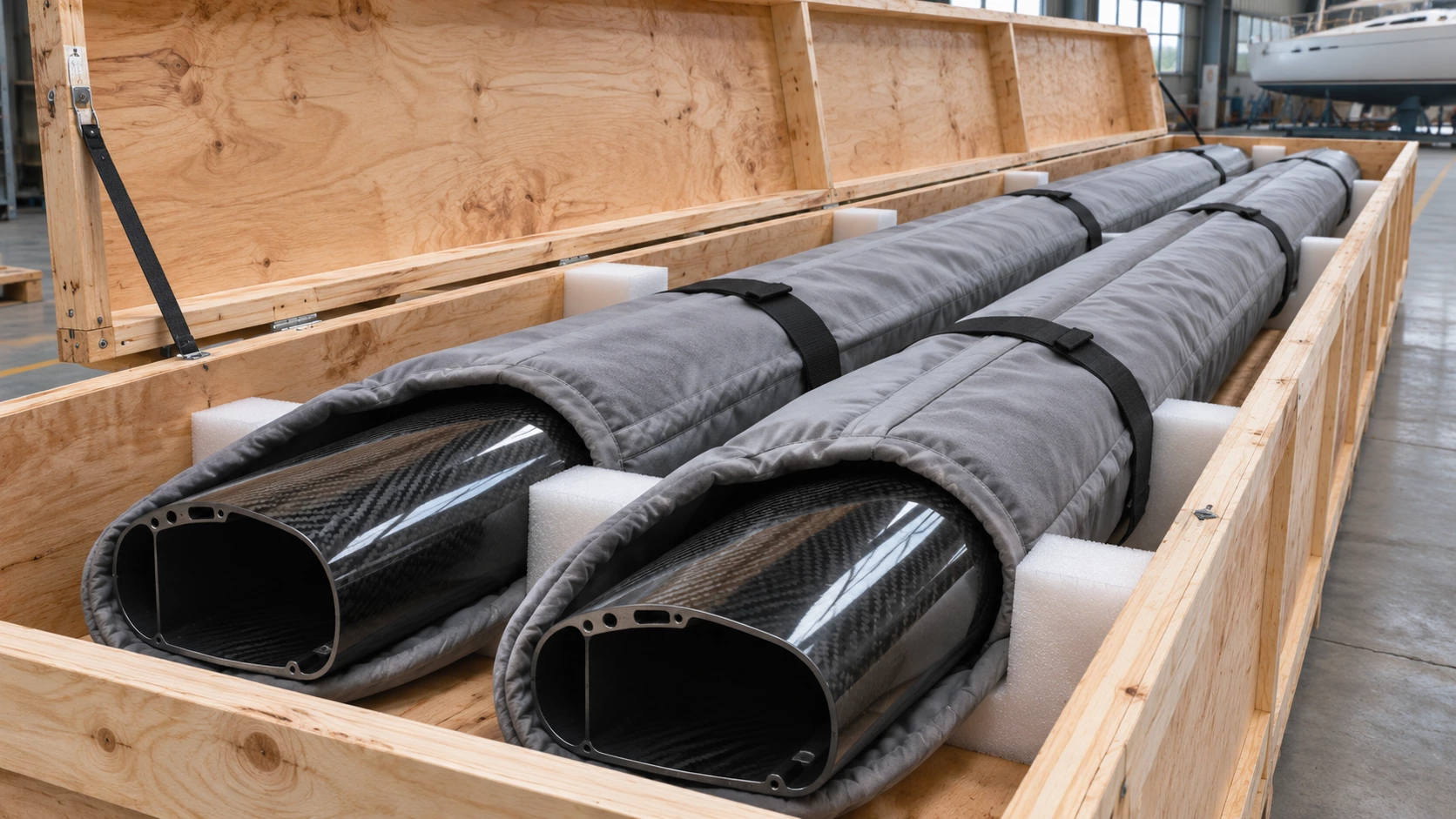
Include delivery condition in the approval. Check that the packed part is accessible for unloading at the destination and that the support and padding suit the finished surfaces and exposed fittings. Save the agreed packing arrangement with the purchase order if future shipments should follow it.
Frequently asked questions
What should a carbon fiber mast prototype inspection report include?
Include the part ID, drawing revision, actual measurements, acceptance limits and any approved deviations. Add weight, interface fit or bend results when the purchase order requires them.
Should the prototype be weighed with the fittings attached?
Use the configuration defined by the weight requirement. Record the empty section weight and the fitted weight separately when the buyer needs both values.
Can the factory start production after a fit check?
Release production after the buyer has accepted all checks defined for the sample, including any separately agreed structural or bend validation. Record any open issues and the decision on each before releasing the batch.
Discuss your mast section project with Bestwill Composite
Send your current component drawings, prototype quantity, estimated production volume and inspection requirements. Include the track and mating hardware drawings when they affect the carbon section. These details help Bestwill review the manufacturing scope and prepare for a quotation discussion.