What Matters Most in a Speargun Barrel? A Guide to Carbon Fiber and Aluminum
Carbon and aluminum spearguns are both widely used for spearfishing. Their main differences involve barrel construction, weight, stiffness, corrosion resistance, and cost. However, the barrel material alone does not determine accuracy, recoil, or underwater handling.
A well-balanced aluminum speargun can perform reliably across many diving conditions, while a well-designed carbon speargun can provide a lightweight, rigid platform. Choosing between them means considering the complete setup alongside your budget and diving preferences.
What Is the Difference Between Carbon and Aluminum Spearguns?
In this comparison, “carbon” and “aluminum” primarily refer to the speargun’s barrel material. Handles, trigger mechanisms, muzzles, shafts, and other components may use different materials.
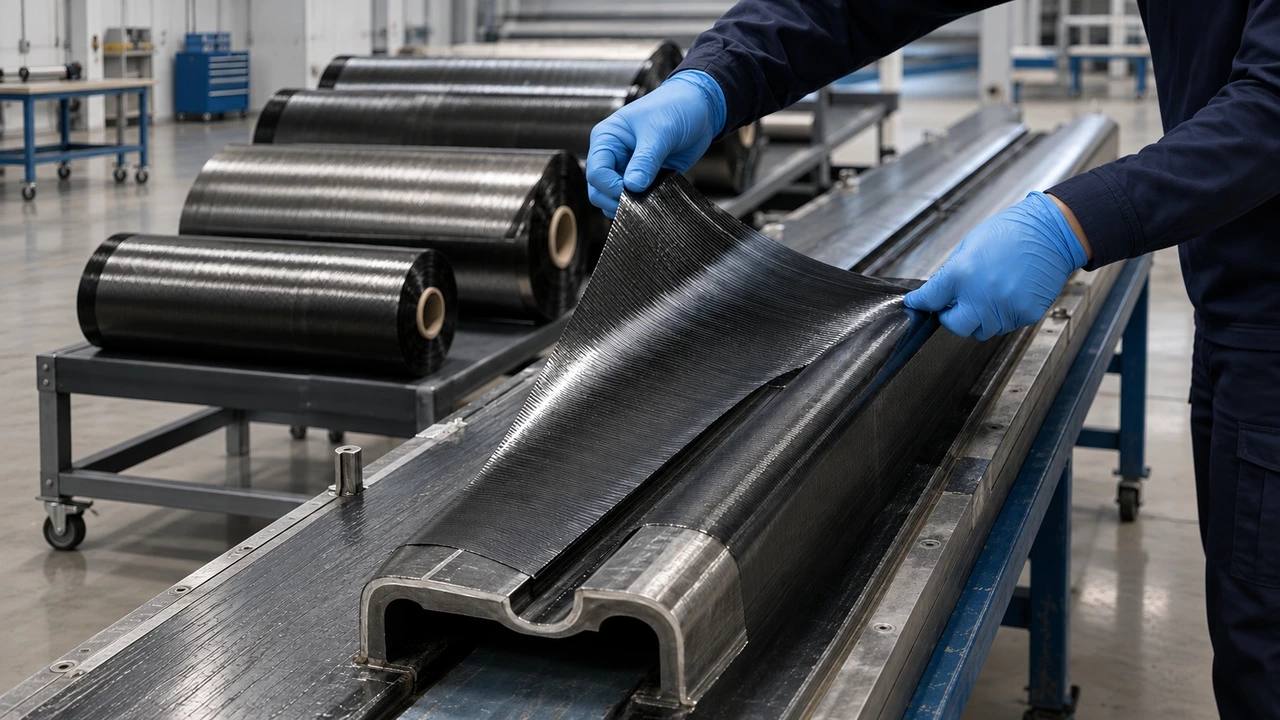
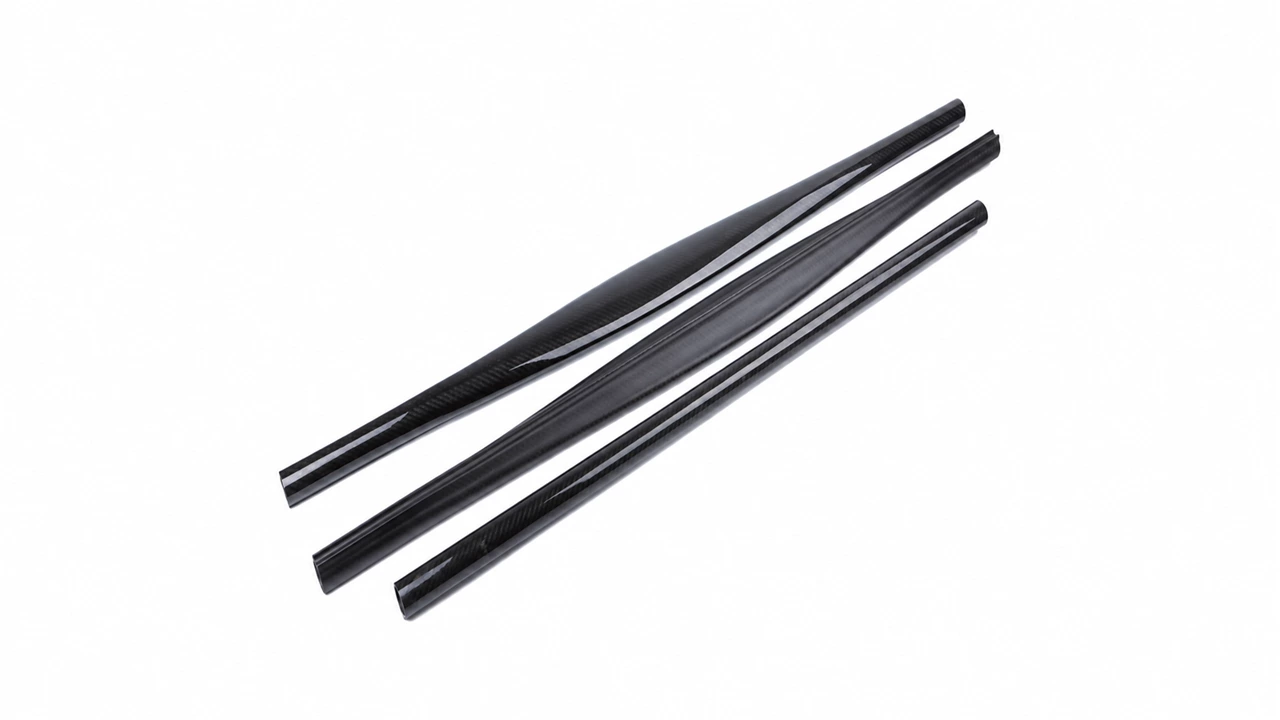
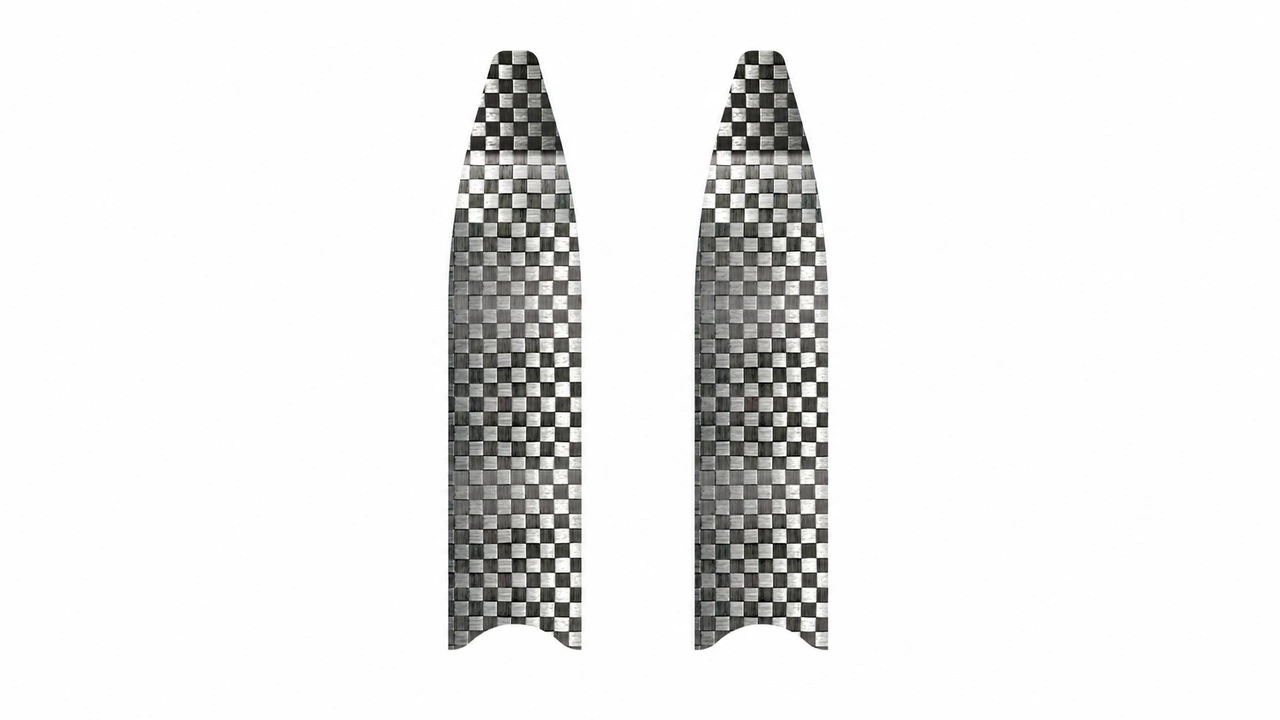
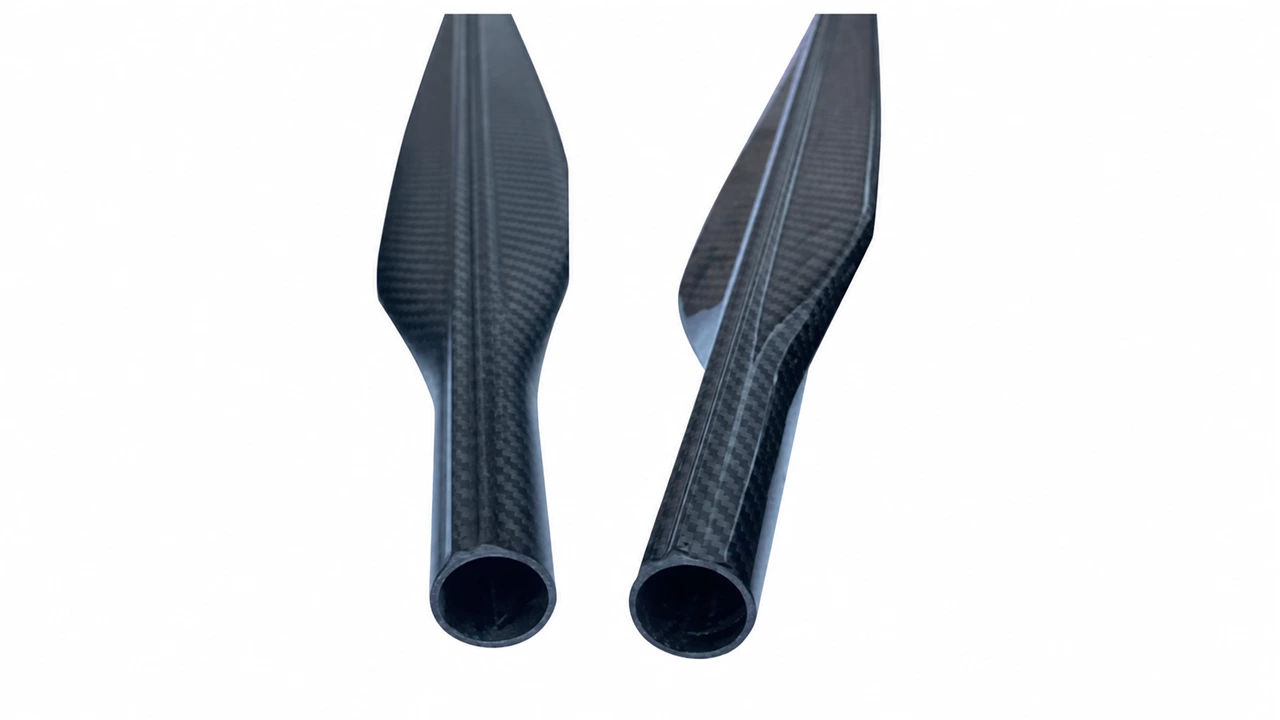
Carbon barrels are made from carbon-fiber-reinforced polymer, combining carbon fibers with a resin matrix. Their performance depends on fiber orientation, wall thickness, barrel shape, and manufacturing quality.
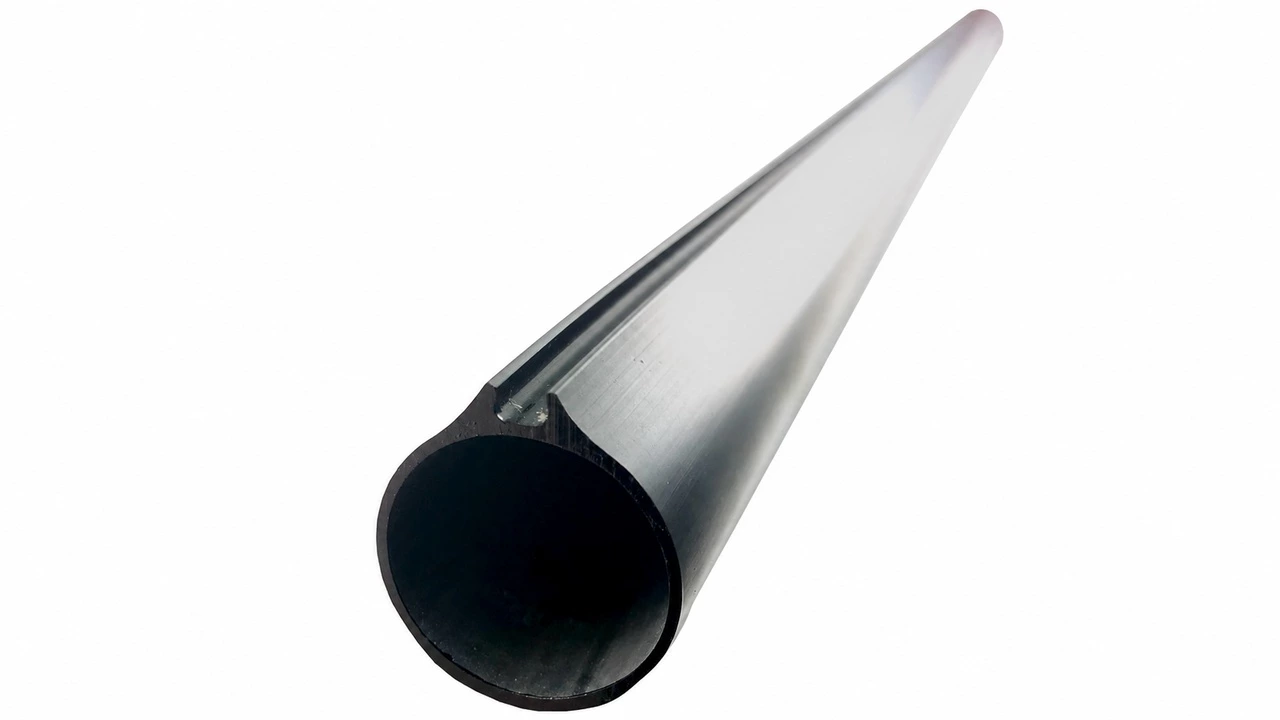
Aluminum barrels are made from aluminum alloy, commonly with an anodized surface for additional corrosion protection. Their performance also depends on tube diameter, wall thickness, profile, and construction quality.
Both materials can support effective speargun designs when matched with suitable components.
Cost and Value: Why Aluminum Is Often More Affordable
Aluminum spearguns typically cost less than comparable carbon models. Aluminum tubing is generally economical to manufacture, making it a practical option for beginners, occasional divers, and buyers working within a limited budget.
Carbon barrels often involve more complex production processes, especially when they feature shaped profiles or specialized fiber layups. This usually increases the purchase price.
The additional cost of carbon may be worthwhile when lower barrel weight or a particular stiffness and balance are priorities. For many recreational divers, however, a properly configured aluminum speargun offers dependable performance at a lower price.
Weight and Balance: How They Affect Comfort
Carbon fiber can provide high stiffness at a relatively low weight. This can reduce barrel weight and make a speargun easier to carry and handle outside the water.
Underwater comfort depends on more than dry weight. Buoyancy, shaft weight, reel weight, and ballast placement influence how much effort is needed to hold the speargun level.
An aluminum speargun with suitable buoyancy and trim may feel comfortable during a long session. A carbon speargun fitted with heavy components may still feel nose-heavy if its balance is poorly managed.
For either material, assess the complete speargun with the shaft, reel, and accessories you intend to use.
Stiffness and Barrel Flex
A speargun barrel must resist bending under band tension. Excessive flex can affect the relationship between the shaft, rail, and other components, potentially reducing shooting consistency.
Carbon-fiber construction gives designers flexibility to tailor stiffness through fiber orientation and barrel geometry. This can be useful in longer barrels or configurations that place greater loads on the structure.
Aluminum barrels can also provide adequate stiffness for their intended use. Tube diameter, wall thickness, and barrel profile all contribute to their resistance to bending.
Carbon is therefore not automatically the better performer in every configuration. The relevant question is whether the barrel is sufficiently rigid for the speargun’s length and intended loading.
Maneuverability Underwater
A lightweight barrel does not necessarily produce a faster-moving speargun underwater. Maneuverability also depends on overall length, body profile, accessories, balance, and the direction of movement.
A slim aluminum barrel may track comfortably through the water, while a wider carbon barrel may create different resistance during lateral or vertical movement. Conversely, a carefully shaped carbon barrel may offer handling characteristics that suit a particular diving style.
When comparing carbon and aluminum spearguns, evaluate similar lengths and configurations. This provides a more useful comparison than material alone.
Accuracy and Recoil: The Complete Setup Matters
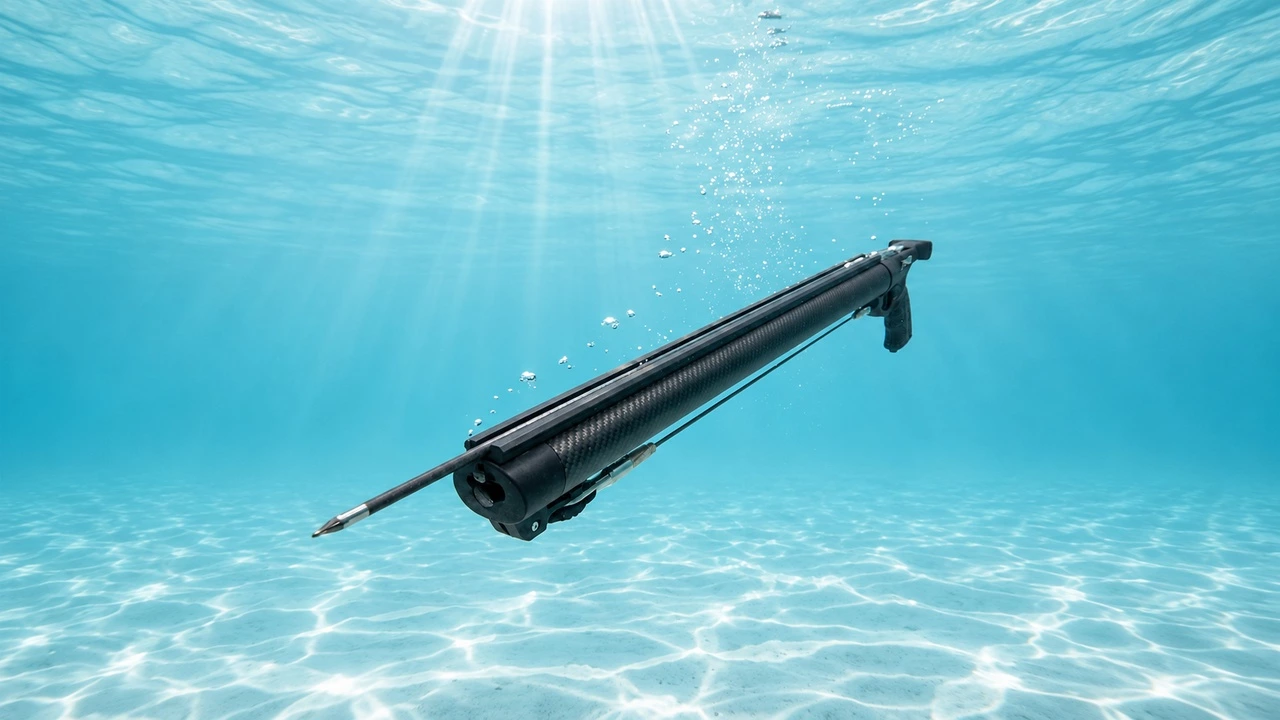
Both carbon and aluminum spearguns can deliver accurate, consistent shots. Accuracy depends on barrel stiffness, shaft straightness, rail alignment, band configuration, trigger operation, and the diver’s technique.
Recoil is influenced by the moving shaft, band energy, total speargun mass, and how the speargun is held. A lighter carbon barrel does not automatically reduce recoil, and greater stiffness alone does not eliminate it.
The best results come from matching the shaft and bands to the complete speargun, rather than choosing a material based on promises of accuracy or reduced recoil.
Durability and Resistance to Damage
Carbon and aluminum respond differently to impact and wear.
Aluminum barrels can suffer scratches, dents, or permanent bending. Significant damage may affect alignment or structural performance.
Carbon barrels resist corrosion, but sharp impacts, crushing forces, or deep scratches can damage the composite. Some damage may be difficult to assess from the surface.
Neither material should be treated as damage-proof. Protect the barrel during transport, avoid placing heavy equipment on it, and inspect the speargun after a significant impact.
Corrosion Resistance and Maintenance
Carbon-fiber composite barrels do not corrode in the same way as aluminum. However, metal fittings and connections on a carbon speargun still require care.
Aluminum forms a protective oxide layer, and anodizing can improve surface protection. Nevertheless, aluminum can experience corrosion in saltwater, particularly where protective finishes are damaged or incompatible metals are in contact.
Both types benefit from rinsing with fresh water after use, drying before storage, and regular inspection of fittings and connections. Maintenance requirements depend on the complete construction, not simply the barrel material.
Customization and Component Compatibility
Customization options are determined mainly by the speargun’s design and component interfaces.
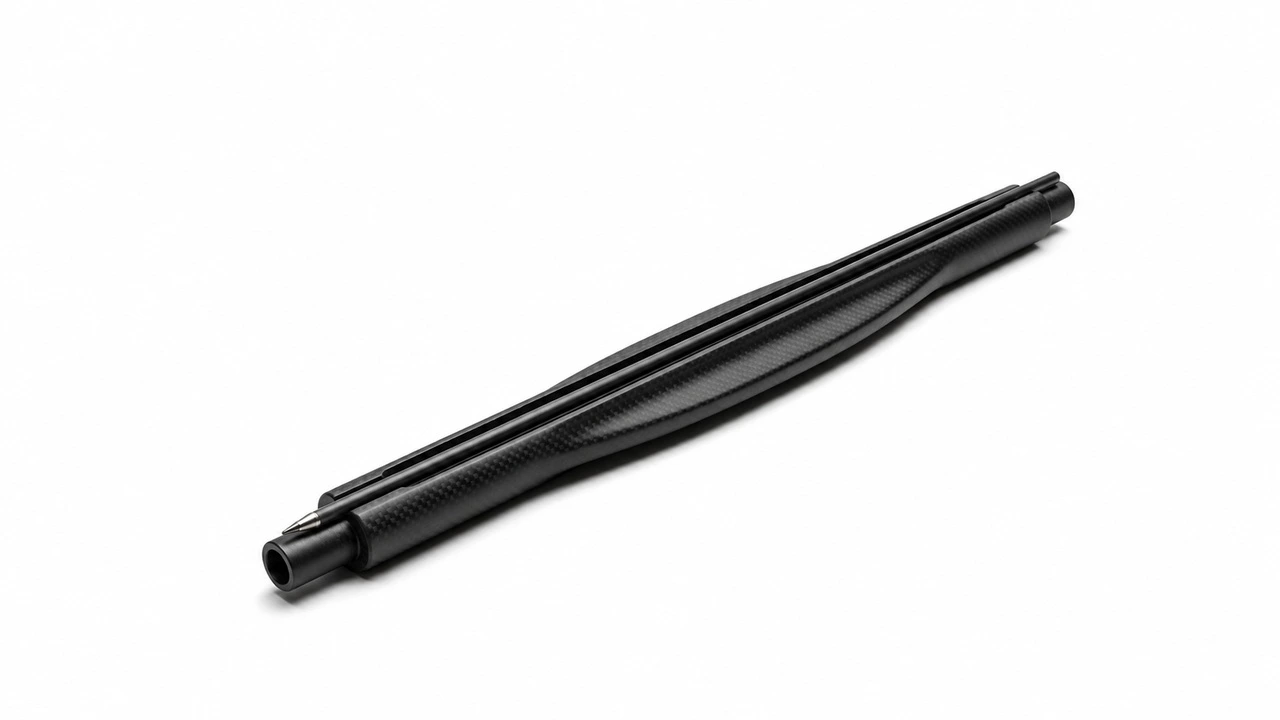
Both carbon and aluminum spearguns may support compatible handles, muzzles, reels, and other accessories. Carbon construction also allows manufacturers to create shaped barrels with different distributions of volume and stiffness.
Before selecting components, check barrel dimensions, mounting arrangements, shaft-track alignment, and manufacturer compatibility information. Material alone does not guarantee that parts are interchangeable.
When Should You Choose an Aluminum Speargun?
An aluminum speargun is a practical choice when affordability, straightforward construction, and reliable everyday performance are priorities.
It can suit beginners developing their preferences, occasional spearfishers, and experienced divers who find that a conventional barrel meets their needs.
Focus on build quality, comfortable handling, suitable length, and a balanced configuration rather than assuming a higher-priced material is necessary.
When Should You Choose a Carbon Speargun?
A carbon speargun is worth considering when you want a lightweight barrel, a particular stiffness profile, or a shaped design that suits your preferred setup.
Its benefits may be especially relevant when comparing longer spearguns or configurations where barrel weight and stiffness require closer attention.
Before paying more, check whether the complete carbon model offers a meaningful improvement in balance, handling, or comfort for your use.
How to Make the Final Choice
Start with the conditions in which you dive, your preferred speargun length, and the shaft and accessories you plan to use. Then compare carbon and aluminum models with similar configurations.
Aluminum typically offers a lower entry cost and practical performance. Carbon offers opportunities to reduce barrel weight and tailor stiffness and shape. Either material can form the basis of a dependable speargun.
The right choice is the model that fits your budget, feels balanced underwater, and performs consistently with your intended setup.