How to Care for a Carbon Fiber Windsurf Mast
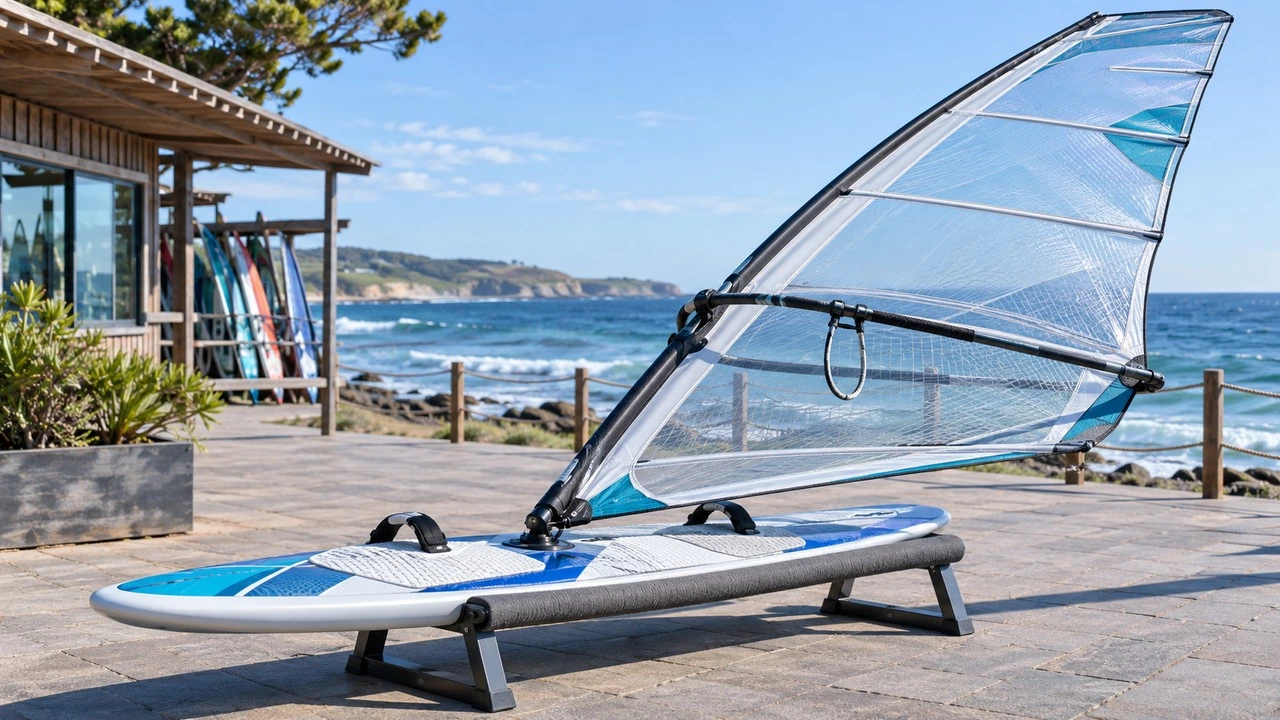
To care for a carbon fiber windsurf mast, clean and fully seat the joint before rigging, rinse off salt and sand after sailing, and let both sections dry before storing them in a padded mast bag. If the mast takes a hard hit or the joint suddenly fits differently, pause before rigging again and have it assessed.
On a busy beach, the easiest time to spot a problem is before the mast goes into the sail. Once the joint is inside the luff sleeve, it is harder to see whether the two halves are still seated. Start your check while both ends are in reach.
1. Check the Mast Joint Before You Rig
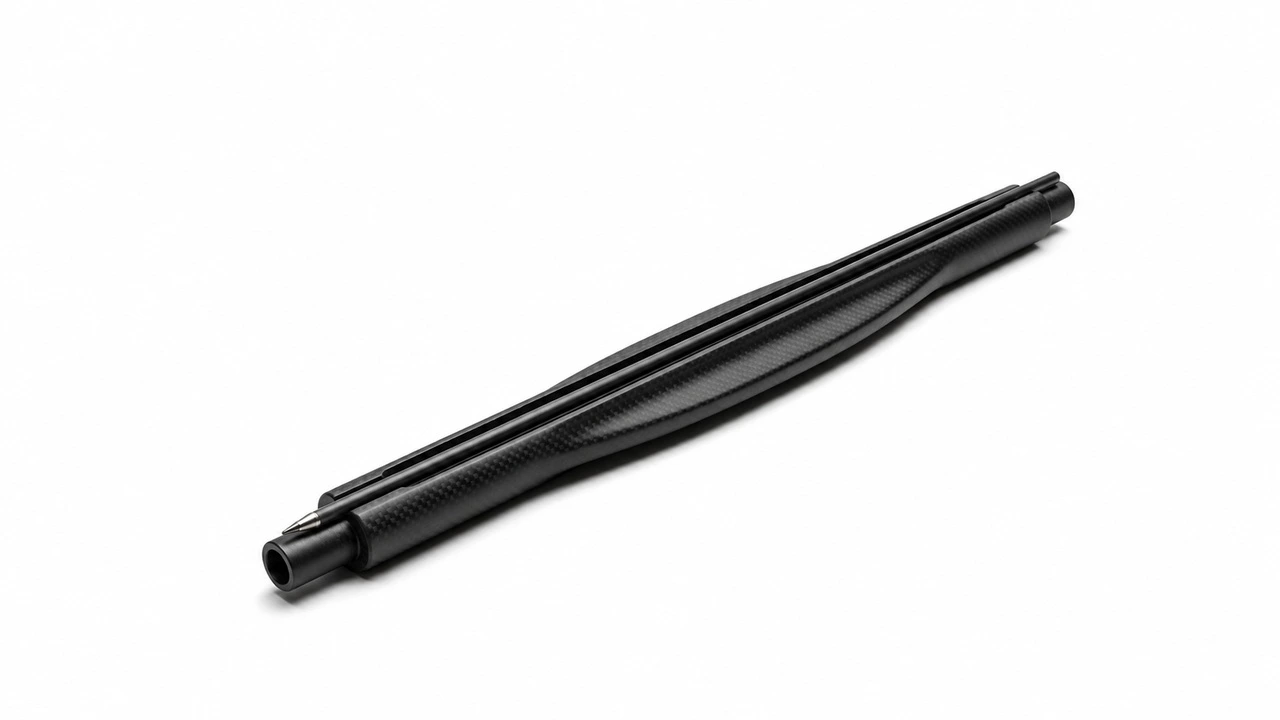
On a two-piece windsurf mast, the ferrule is the projecting connector that slides into the open end of the other section. Look at both surfaces before joining the mast. On a sandy rigging area, even a clean section can pick up grit as soon as its open end touches the ground. An open mast bag or a clean rigging mat gives you somewhere to set both halves down.
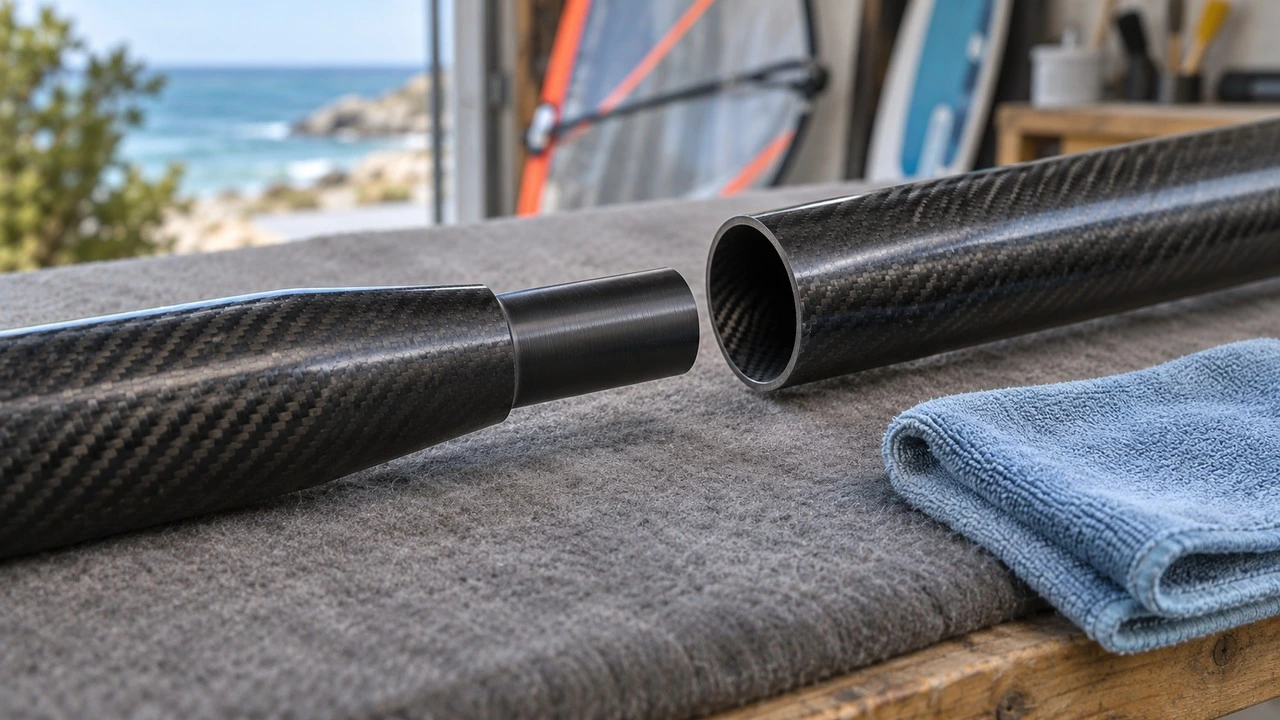
Slide the sections together and check that the joint is fully seated. If a mast that usually assembles smoothly stops short or feels gritty, separate the sections and inspect the connector and receiving end. Use fresh water to flush away grit you can see inside the opening. Once you have fed the mast into the sail’s luff sleeve, recheck the joint before applying downhaul tension.
2. Clean the Mast After a Saltwater or Sandy Session
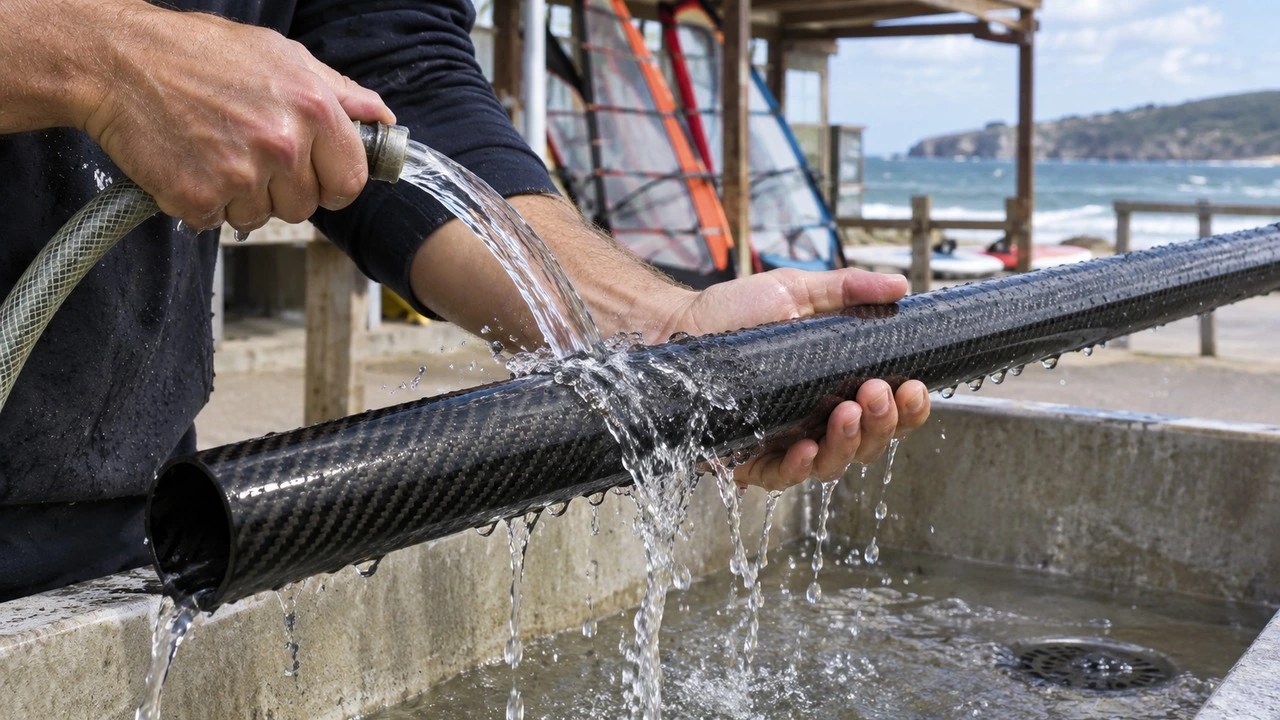
After derigging, separate the mast halves and rinse them with fresh water. Pay particular attention to the ferrule and the openings where sand can collect. Let the water drain out, then leave the sections out of the bag until they are dry.
At the beach, you may have to pack everything wet. In that case, reopen the bag when you get back. Empty out the sand, let the bag air out, and give the mast sections time to dry. A clean mast can pick up grit again if it goes back into a sandy bag.
3. Know When to Put a Mast Aside
Work the inspection into your cleanup routine. Look at the joint, the mast ends, and any spot that struck a hard surface. A visible crack, exposed fibers, or a sudden change in how the joint fits is a reason to set the mast aside and contact the supplier or manufacturer before using it again. After a hard impact, ask for an assessment if you are unsure about the mast’s condition.
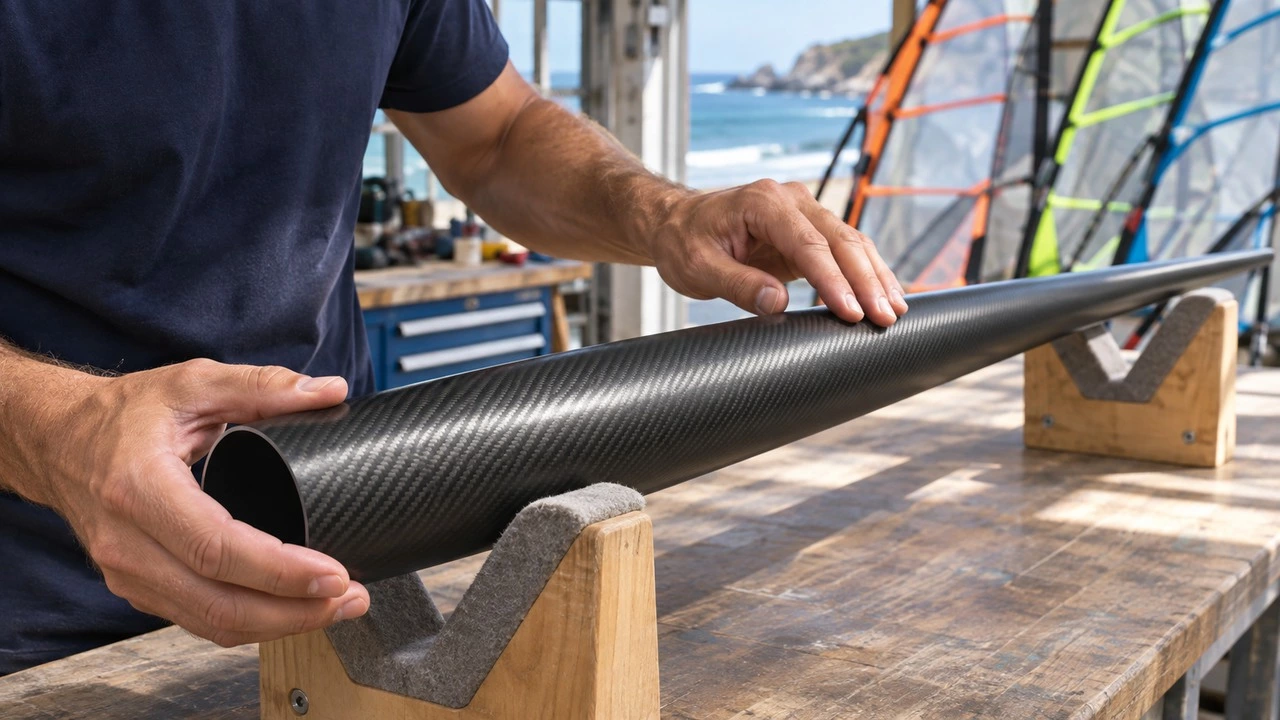
This matters for shared equipment. If a mast hits the edge of a trailer during unloading, label the mast and record where it was struck. The next instructor or technician gets a specific area to inspect and can keep that mast out of the next rigging session.
4. Pack Both Mast Sections for Transport and Storage
Carry the mast in a padded bag and choose a spot where tools, extensions, or other loose gear cannot strike it during transport. At the end of the season, clean and dry both sections before putting them away. Store the bag where other equipment cannot fall onto it.
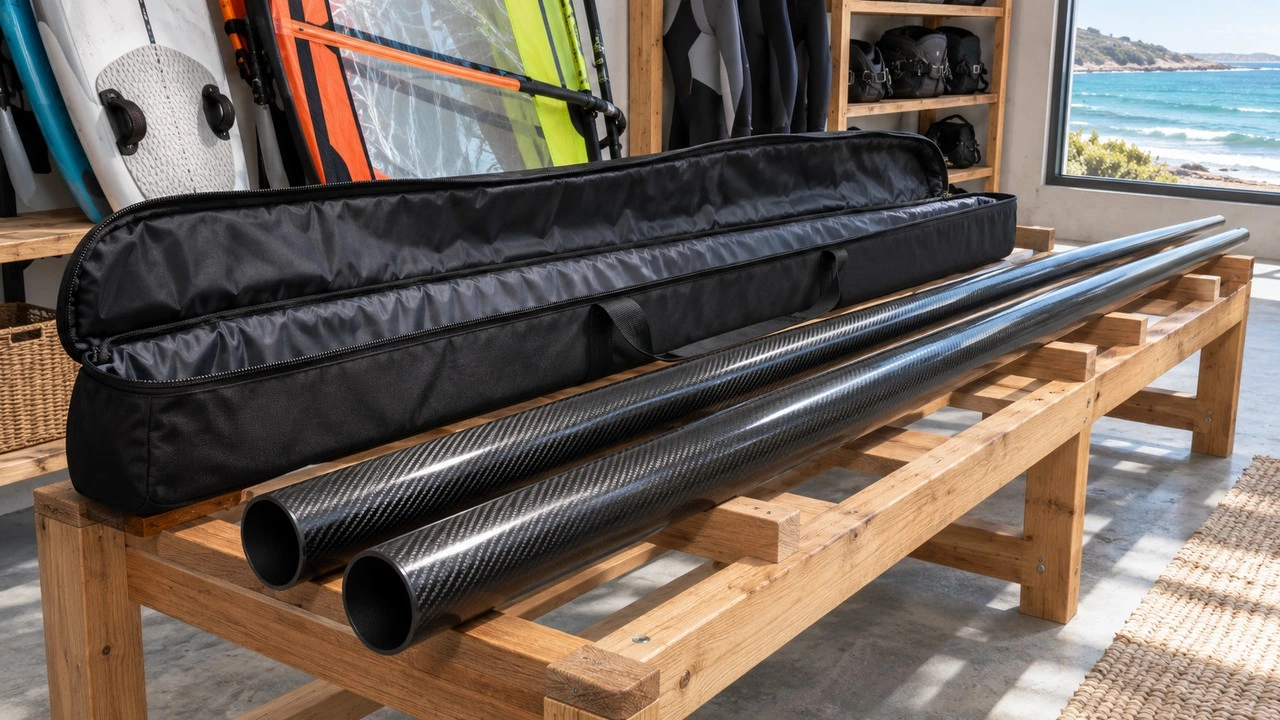
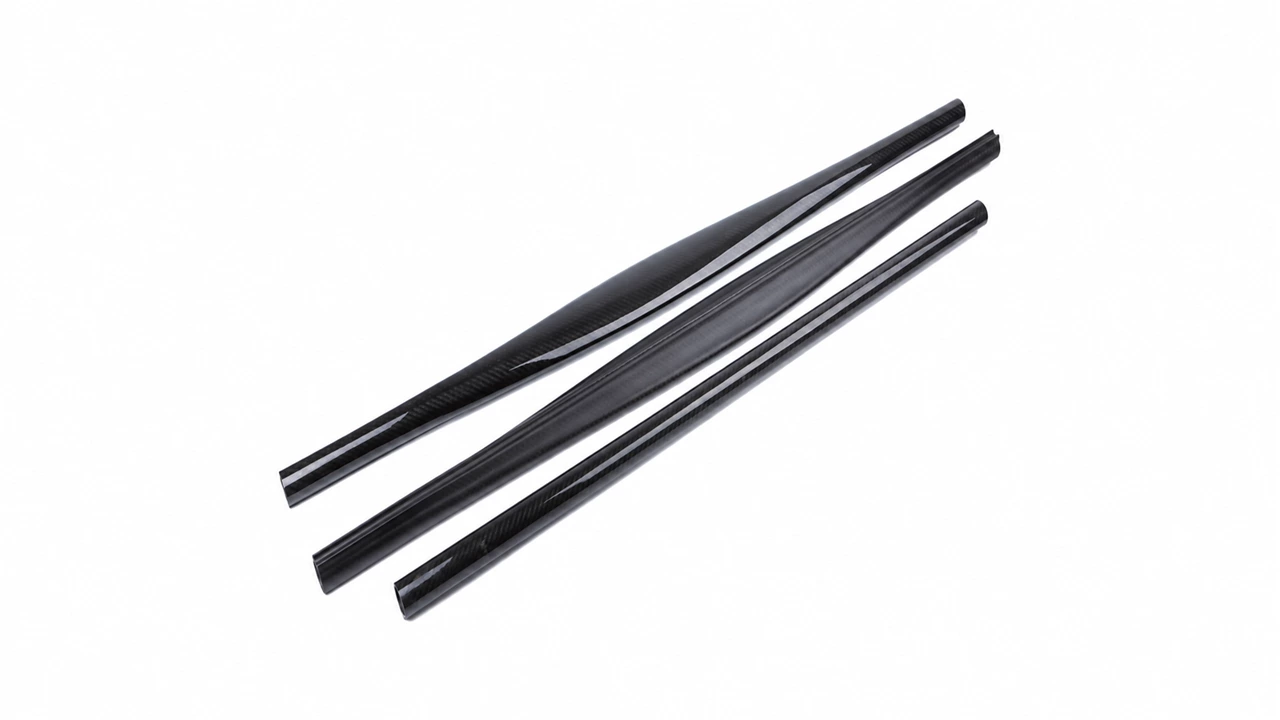
For rental fleets, schools, or distributors managing several models, label each bag with the mast length and diameter type and keep the matching sections together. A simple handover check is enough for day-to-day use:
- Confirm the mast model and check that both matching sections are present.
- Check the joint for grit and verify that the sections seat fully.
- Set aside any mast with suspected damage and record what happened.
- Return the clean, dry sections to the labelled bag.
Frequently Asked Questions
Can I rinse a carbon fiber windsurf mast with fresh water?
Yes. After saltwater or sandy use, separate the two sections and rinse away salt and grit with fresh water. Let the sections drain and air-dry before closing the storage bag.
What should I do if my windsurf mast joint gets stuck?
Rinse around the joint with fresh water to remove loose grit. If the sections still will not separate, contact the mast supplier for model-specific advice before applying more force or using tools on the tube.
Do RDM and SDM windsurf masts need different care?
The same basic care routine applies to two-piece RDM and SDM masts. Keep the joint clean, check that the sections seat fully before downhauling, and store the mast clean and dry. When replacing a mast, check the sail manufacturer’s specifications for the required length, diameter type, and bend curve.
Explore Bestwill Carbon Fiber Windsurf Masts
Bestwill offers both reduced-diameter and standard-diameter windsurf mast models. For a distributor, equipment brand, or windsurf school enquiry, share your required mast lengths, diameter types, sail specifications, and estimated quantities so we can discuss the models that fit your requirements.
Related reading