How to Specify a Custom Carbon Fiber Roller for Film and Packaging Machines
To request a quote for a custom carbon fiber roller, send a drawing or sketch showing the roller diameter, working face length, overall length, and shaft-end dimensions. Include the intended application, line speed, web tension, surface requirements, and any runout or dynamic balancing requirements your machine specifies.
This guide is for equipment manufacturers, engineering teams, and buyers sourcing carbon fiber guide rollers for film processing, flexible packaging, printing, and converting machinery.
Define the Roller Dimensions and Supply Scope
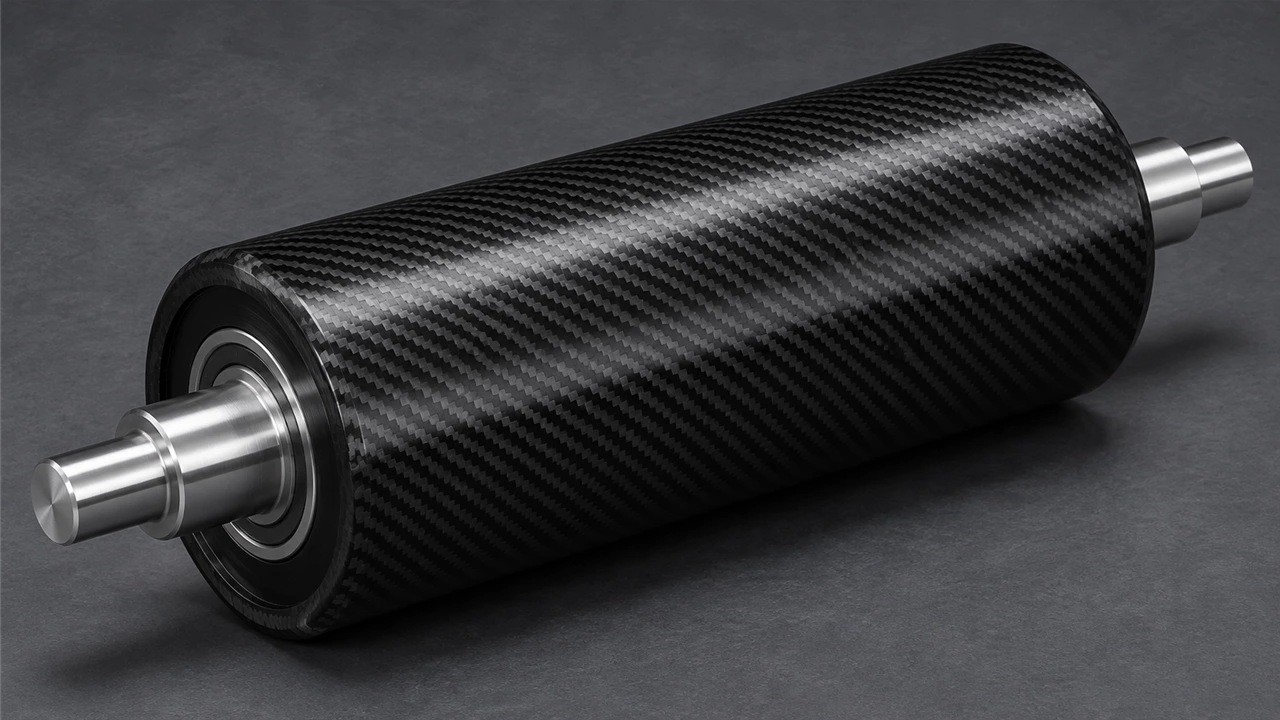
Specify whether you need a carbon fiber tube for your own assembly or a complete roller fitted with metal ends. For a complete assembly, identify which shafts, bearings, and other components should be included.
| Dimension or detail | What to show on the drawing |
|---|---|
| Roller outside diameter | Specify the finished diameter and whether it applies before or after coating. |
| Inside diameter or wall thickness | Label the bore or wall thickness where it affects fit, assembly, or inspection. |
| Working face length | Show the usable length of the roller surface that contacts the web. |
| Overall length | Show the total end-to-end length, including projecting shaft ends. |
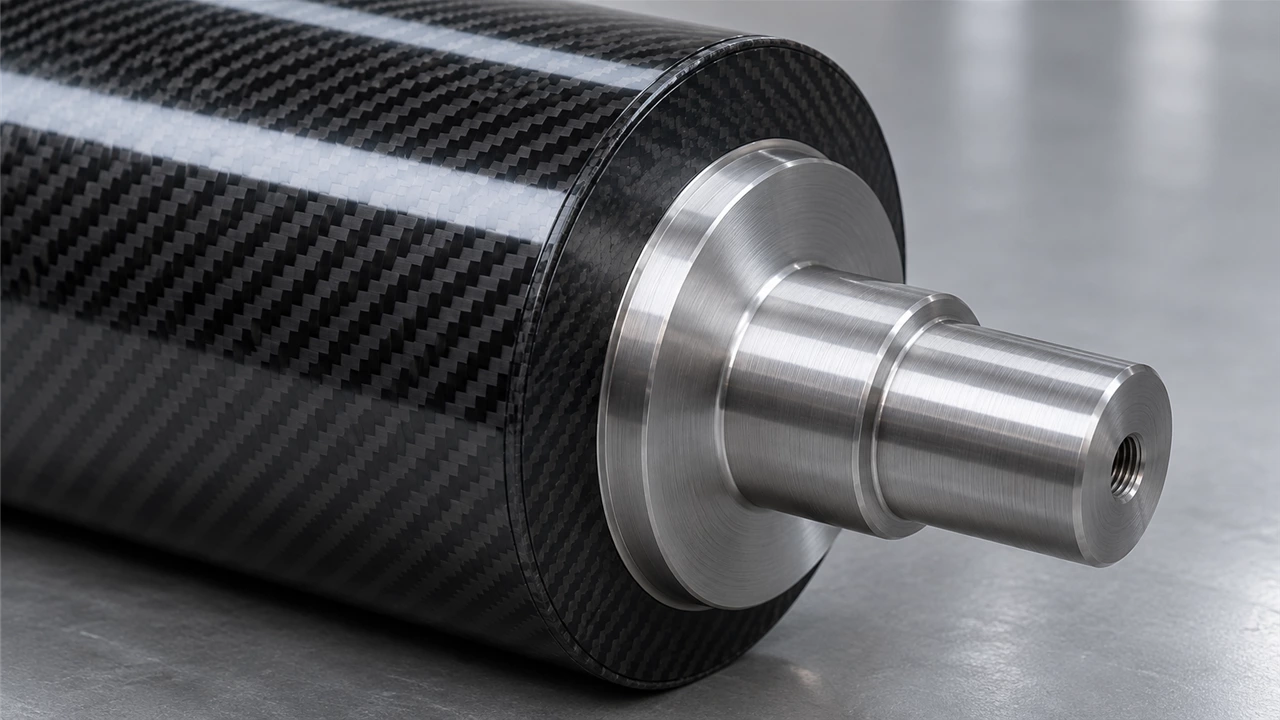
| Shaft ends and mounting | Include shaft diameters, bearing seats, shoulders, threads, and the mounting arrangement as applicable. |
A request for a 30 × 24 × 180 mm carbon fiber roller leaves several details open. If 30 mm is the outside diameter and 24 mm is the inside diameter of a concentric tube, the nominal wall thickness is 3 mm. Confirm whether 180 mm refers to the tube length, working face, or overall assembly length. A labeled sketch can resolve these questions before quoting.
Describe How the Roller Will Run
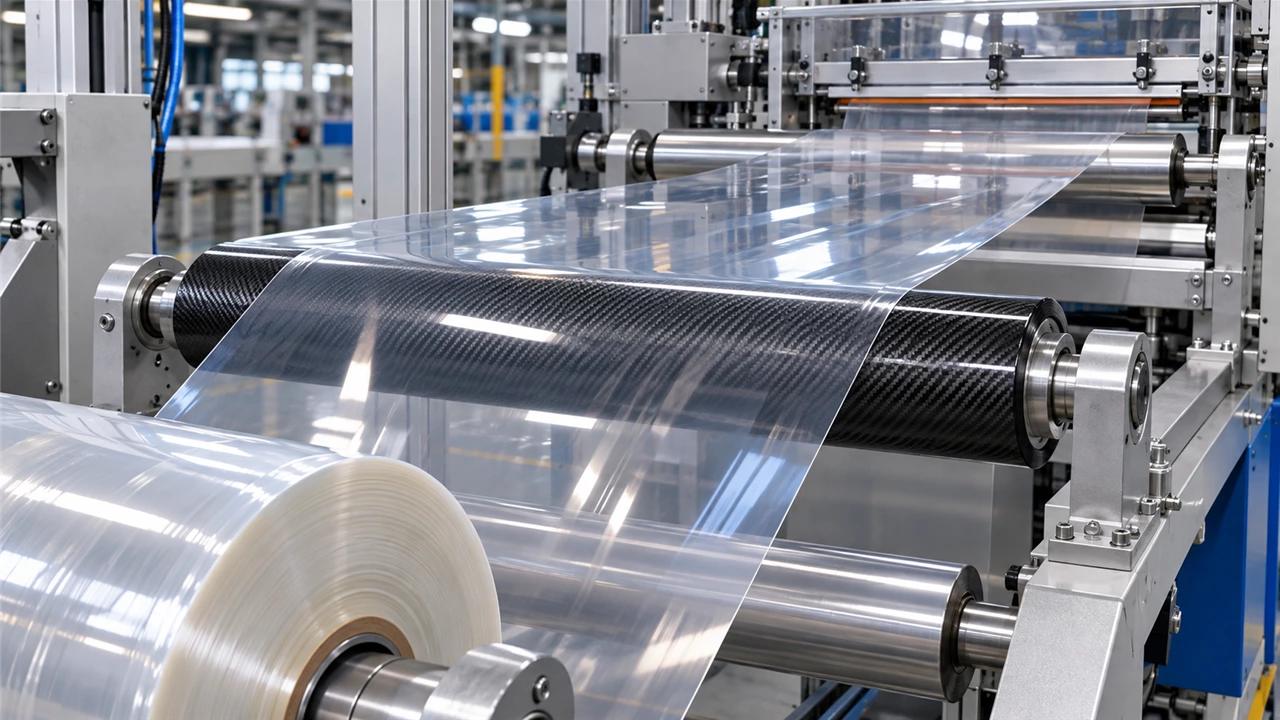
For a film guide roller, describe what runs over the roller and how the roller is mounted. For a replacement roller, include the machine position, the original drawing if available, and the issue you want to address.
-
Web material and width. Identify the film, laminate, paper, or other material that contacts the roller.
-
Line speed and web tension. Share normal and maximum values with units, and include the web wrap angle if available.
-
Roller function and mounting. State whether the roller is an idler or driven, and provide the bearing arrangement or support spacing.
-
Operating environment. Note the temperature and any exposure to moisture, dust, solvents, or cleaning chemicals.
-
Surface performance. Describe any concern about marking, slipping, or sticking.
Attach any surface finish or coating specification. If film slips or marks, describe when it happens and include a photo of the existing roller surface if available.
Put Inspection Requirements on the Drawing
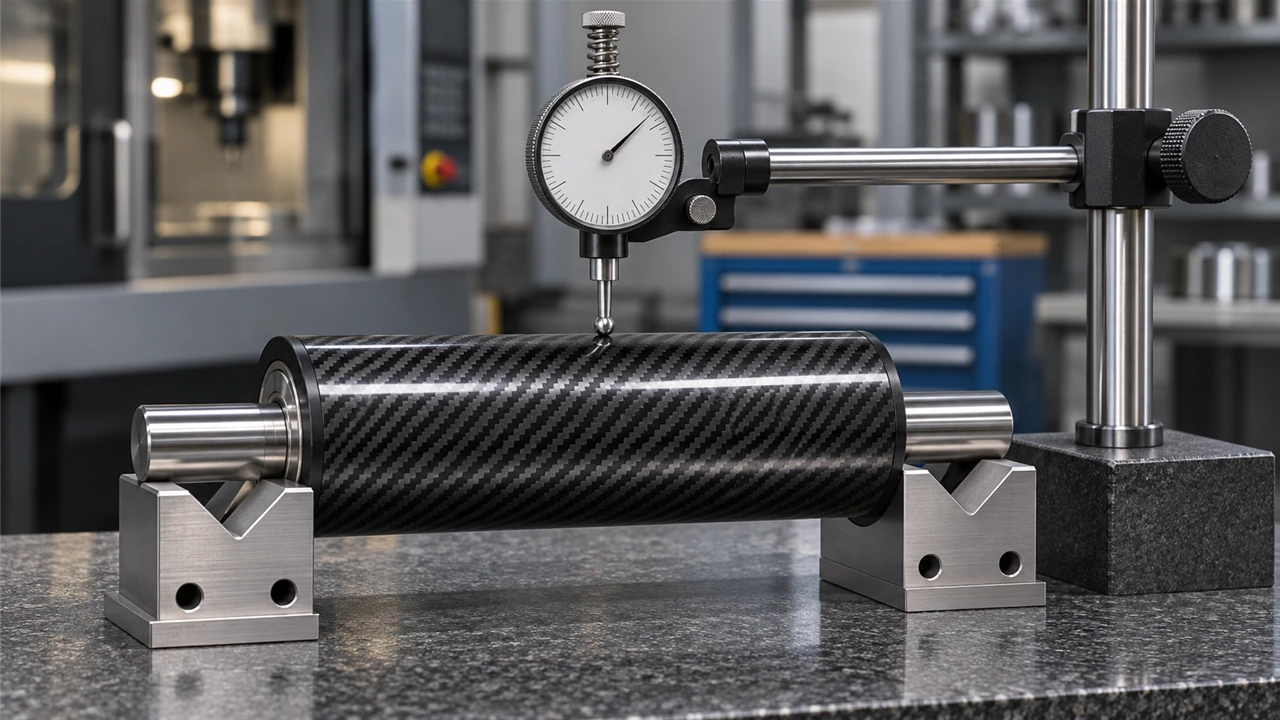
A request for “high concentricity” needs a measurable tolerance and a reference axis. If your concern is radial variation of the roller surface during rotation, ask your engineering team whether radial runout is the appropriate drawing requirement.
| Requirement | What to provide |
|---|---|
| Radial runout | Maximum allowable runout, reference datum or axis, and measurement positions. |
| Concentricity or coaxiality | The controlled features, tolerance, and datum specified on the drawing. |
| Dynamic balancing | Operating RPM, required balance grade or residual unbalance if specified, and assembly condition for balancing. |
Tighter tolerances and additional inspection can affect machining, testing, and quoted cost. Include any inspection or balancing report requirements in the original RFQ.
Use This RFQ Checklist
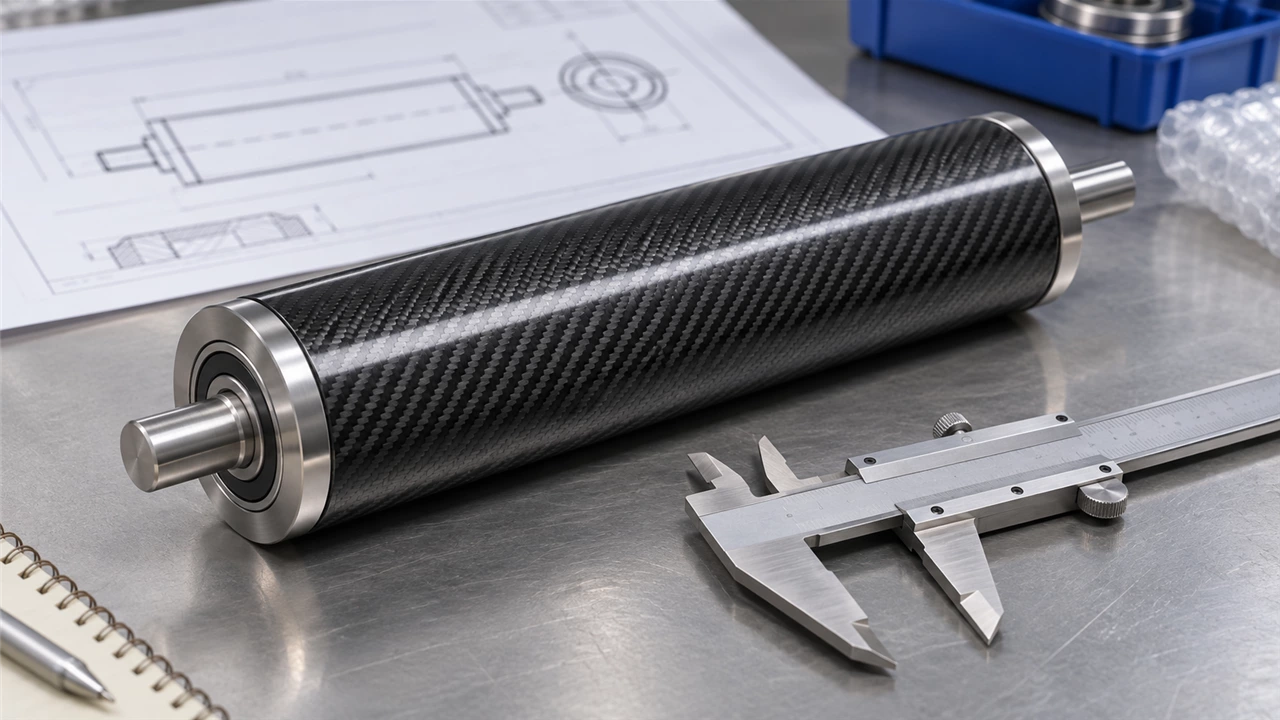
Copy these fields into your inquiry and attach a drawing, sketch, or photos of the existing roller.
| RFQ field | Your specification |
|---|---|
| Machine and roller function | |
| Supply scope and order quantity | |
| Finished outside diameter and inside diameter or wall thickness | |
| Working face length and overall length | |
| Shaft-end dimensions and mounting arrangement | |
| Web material, width, tension, and line speed | |
| Operating temperature and environment | |
| Surface finish or coating requirements | |
| Runout tolerance, datum, and measurement locations | |
| Operating RPM, balancing requirement, and reports needed |
Frequently Asked Questions
Can I get a quote with only the roller diameter and length?
These dimensions are enough to start the conversation. For a firm quote, identify which length you measured, confirm the bore or wall thickness where applicable, and specify whether you need a tube or a finished roller. Include mounting details and acceptance tolerances.
Does dynamic balancing also verify radial runout?
A radial runout check measures how much the specified roller surface varies radially as it turns about the reference axis. Dynamic balancing addresses how mass is distributed around the rotation axis. If your machine specifies both, include both in the RFQ.
Can Bestwill supply the roller with metal end fittings?
Yes. Bestwill supplies custom carbon fiber rollers with metal end fittings and can review surface coating and dynamic balancing requirements for your application.
Request a Quote for a Custom Carbon Fiber Roller
Send Bestwill your drawing or sketch, required quantity, and operating conditions. For a replacement, include photos of the roller face, both shaft ends, and the mounting arrangement.
View Bestwill’s carbon fiber rollers or email your RFQ to sales@bestwillcomposite.com.